Os seus avós fugiram da Palestina em 1948. Abrigaram-se no Líbano onde ele nasceu, em plena guerra civil. Hoje, este jornalista e escritor vive no Canadá. Familiares na Síria são agora também exilados. A história de um dos mais influentes activistas árabes é aqui contada na primeira pessoa, após uma troca de e-mails. (Ler mais | Read more…)
Sou Chaker Khazaal, palestiniano nascido em 1987 no campo de Bourj el Barajneh, no Líbano, tal como os meus pais. Foi aqui que os meus avós se instalaram depois de deixarem a Palestina, em Maio de 1948, após a criação de Israel.
Deles herdei o estatuto de refugiado de terceira geração. Vim ao mundo durante a guerra civil [de 1975-1990, que provocou um êxodo de quase um milhão de pessoas e matou outras 120 mil; mais de 75.000 continuam como deslocadas internas].
A vida de refugiado é um desafio. [No Líbano, nasceram 90% dos 450.000 registados pela UNRWA, agência de auxílio das Nações Unidas]. Vivemos com muito pouco. Pouca água. Pouca electricidade.
Quase nenhum acesso a empregos [só 2% tem visto oficial de trabalho; 60% permanecem abaixo do limiar de pobreza]. A nossa vida contém dor, incerteza, medo e outros sentimentos horríficos. Em Bourj El Barajneh, havia tudo isso. Sonhamos partir.
Também tínhamos momentos divertidos. Adorava os laços estreitos entre as pessoas. Havia 20.000 residentes em Bourj El Barajneh. Hoje, são mais de 25.000, num campo com um quilómetro quadrado, devido à crise dos refugiados sírios [que agora ultrapassam um milhão só no Líbano].
Celebrávamos nascimentos, casamentos, festas de fim de curso e outros eventos. Durante o Eid, feriado muçulmano que se segue ao mês de jejum do Ramadão, vestíamos roupas novas. Na Páscoa, o meu avô pintava ovos e oferecia-nos. Refugiados são pessoas comuns que vivem em circunstâncias extraordinárias.
Da Síria [que dominou o Líbano até Abril de 2005, quando a “Revolução do Cedro” forçou a retirada de cerca de 40.000 soldados e agentes secretos] sabia apenas que era um dos poucos países do mundo que eu, como refugiado, podia visitar sem necessidade de visto.
Íamos lá frequentemente para visitar alguns familiares. Eu era um miúdo. Para mim, sem ideias políticas, Hafez al-Assad [que morreu em 2000] era tão só o Presidente sírio.
Parte-me o coração ver como se perde um país. Antes do conflito em 2011, os refugiados palestinianos na Síria tinham acesso a todos os serviços sociais. Nenhum outro Estado os tratava tão bem. Constatei isso quando visitava a família da minha mãe na cidade de Aleppo.
O filho da minha tia trabalhava como dentista. Comprou a sua própria casa. Tinha um magnífico apartamento onde passávamos férias.
No Líbano, pelo contrário, um refugiado não pode ter qualquer propriedade. É-lhe negado o acesso a escolas públicas e hospitais. Só tem emprego em alguns sectores [mais de 30 profissões continuam restritas – chegaram a ser 73].
A minha família na Síria está agora espalhada pelo mundo. A tia mudou-se para o Texas. O seu filho instalou-se na Suécia. A filha conseguiu entrar na Turquia. Perderam tudo. Eu também tinha amigos na Síria. Alguns permaneceram em Damasco, mas a maioria está dispersa por vários países.
Quanto a mim, empreendi uma viagem de refugiado para cidadão. Sempre almejei deixar o campo de refugiados, emigrar para onde tivesse direitos como outros seres humanos. Candidatei-me a uma bolsa de estudos na York University [em Toronto], e ganhei o Global Leader of Tomorrow Award[Prémio do Líder Global do Futuro]. Estudei, trabalhei e o Canadá tornou-se o meu lar.
Dou ênfase à educação, ao emprego e à emigração. De todo o mundo chovem donativos, sobretudo como meios de subsistência, mas os refugiados necessitam é de oportunidades de vida. Precisam de se sentir gente válida que contribui para a sociedade.
Não culpo o Líbano – país pequeno com os seus próprios problemas. Mas questiono: por que é que os Estados árabes dificultam tanto a atribuição de vistos – até de turismo? Alguns já oferecem dinheiro, então por que não dar uma segunda oportunidade de vida, como o Canadá fez comigo, por exemplo?
Cresci a ouvir dizer: “A tua vida é miserável aqui, no Líbano, MAS tens o direito de retorno.” A minha vida teria sido desperdiçada, como muitas vidas o estão a ser, se apenas dependesse de uma promessa. O direito de retorno é um sonho difícil de se concretizar. A solução passa por uma estratégia que salve gerações e evite que desbaratem as suas vidas na pobreza.
A comunidade internacional pode absorver um grande número de refugiados e incluí-los no seu espaço demográfico. Este é o melhor método de ajuda: os receptores terão uma segunda oportunidade e os anfitriões redirecionam os donativos para as suas economias, ao permitirem que os novos cidadãos contribuam com as suas aptidões e, claro, impostos. Não devemos fechar as fronteiras na cara dos refugiados.
No Líbano – com o maior número de refugiados per capita no mundo [um terço dos quase seis milhões de habitantes] – muitos dos que fogem da Síria têm vindo a alojar-se nos campos palestinianos [em 2016 este número ultrapassava os 1,5 milhões].
É natural que a crise síria exija mais fundos e que haja menos recursos para os palestinianos. Infelizmente, a ajuda internacional segue as tendências. O que acontece hoje é mais importante do que o que se verificou ontem.
O primeiro passo é quebrar o silêncio. O que vemos agora, com milhões de migrantes sírios, é uma necessidade urgente que o mundo desvalorizou. Temo-nos centrado na ajuda em forma de donativos mas eles necessitam de uma forma de auxílio sustentável: começar uma vida nova e ser independentes economicamente nos países de acolhimento.
A vaga de migrantes sírios é como que uma mensagem aos Estados para facilitarem a entrada de refugiados, incluindo os palestinianos, deslocados desde 1948.
Nas minhas visitas a campos de refugiados encontro inspiração para os meus artigos e livros. A trilogia Confessions of a Child War[“Confissões de um filho da guerra” – o terceiro, Sahara, foi publicado em Julho] tem como base as minhas raízes, a história da minha nação (Arábia) e acontecimentos no Médio Oriente.
Os três livros são narrados por defuntos, porque eu quis imortalizar muitos que morreram. A ficção reflecte a realidade. Todos evocam situações com refugiados e revoluções ou, simplesmente, o amor, o desespero e a perda.
Este artigo, aqui na íntegra e actualizado, foi publicado originalmente no jornal EXPRESSO em 19 de Setembro de 2015 | This article, here in the expanded and updated version, was originally published in the Portuguese newspaper EXPRESSO, on September 19, 2015
Há 45 anos, em Julho de 1970, o único filho do Sultão Said bin Taimour assumiu poderes absolutos para os quais não tem herdeiro. Será lembrado não pelo golpe palaciano com que derrubou o pai, mas como o líder árabe que ajudou os persas a selar um acordo histórico com a América. (Ler mais | Read more...)
Josh Fattal, Shane Bauer e Sarah Shourd planeavam férias no Curdistão, Norte do Iraque, mas perderam-se na caminhada e entraram no Irão. O “trespasse ilegal da fronteira”, em 2009, custou aos três turistas americanos uma condenação de oito anos de prisão por “espionagem”.
A pena não seria cumprida até ao fim porque o Sultão de Omã pagou as fianças milionárias exigidas por um “tribunal revolucionário”. Com este gesto, abriram-se não só as grades da cadeia de Evin mas também as portas para a reconciliação entre os Estados Unidos e a República Islâmica.
A libertação de Sarah, em 2010, e de Josh e Shane, em 2011, encorajou o sultão Qaboos bin Said al-Said, intermediário noutras crises, a oferecer-se como mediador em negociações secretas entre dois países separados em 1953, quando a CIA derrubou o primeiro-ministro democrata Mohammad Mossadegh, e divorciados em 1979, depois de um teólogo de nome Khomeini ter forçado o imperador Mohammad Reza Pahlavi a abandonar o Trono do Pavão.
Os primeiros encontros informais, em Mascate, capital de Omã, começaram em 2012. Foram acelerando, a partir de Agosto de 2013, após a tomada de posse de Hassan Rouhani, um Presidente pragmático com a bênção do líder supremo, Ali Khamenei.
O “acordo histórico” em que o Irão se compromete a não produzir bombas nucleares em troca do levantamento de sanções internacionais foi assinado a 14 de Julho de 2015.
Foi como prenda de aniversário para o filho único de Said bin Taimour que, no dia 23, completou 45 anos de poder, conquistado num golpe com ajuda do MI-6.
Qaboos destituiu o pai, um ultraconservador obediente ao Império Britânico e que, após de décadas de endividamento para vencer tribos rebeldes, estava mais interessado em unificar do que em modernizar um país dividido, uma parte sultanato e outra imamato.
“Omã precisa de ter a certeza de que o Irão [a 39 km de distância, do outro lado do Estreito de Ormuz, controlado por ambos e por onde passa 20% do petróleo mundial] jamais tentará invadir o seu território”, explicou-me, numa entrevista por telefone, o historiador francês Marc Valeri.
“Não menos importante, pelo contrário, são os contratos que já permitiram a Mascate começar a receber, por ano e durante um quarto de século, 350 mil milhões de metros cúbicos de gás, a preços acessíveis.”
Director do Centro para os Estudos do Golfo na universidade britânica de Exeter e autor de Oman: Politics and Society in the Qaboos State, Valeri realça outro benefício: “O sultanato foi sempre dependente, em termos de segurança, do Reino Unido e dos EUA. Como ‘facilitador’, o sultão obteve garantia de protecção perene.”
E nunca Qaboos, com uma doença terminal e sem herdeiro designado, precisou tanto dos velhos aliados para preservar o statu quo após a sua morte.
No plano externo, o maior adversário continua a ser a Arábia Saudita, um dos instigadores da Rebelião de Dhofar de 1965-1976, “o mais longo conflito armado na história da Península Arábica, a última guerra colonial britânica na região e um dos pontos altos da Guerra Fria no Médio Oriente”, segundo o académico de Oxford Abdel Razzaq Takriti, na obra Monsoon Revolution.
Graças à abertura de arquivos confidenciais vão agora caindo por terra vários “mitos” sobre “a nação onde a camuflagem de verdades inconvenientes e a ocultação de realidades hediondas se tornaram forma de arte”, como avaliou o diplomata John Beasant, em Oman: The true-life drama & intrigue of an Arab State.
Para travar as “ambições hegemónicas” do maior rival do Irão, Qaboos cedeu aos sauditas uma vasta faixa de território omanita, mas não impediu a disseminação da doutrina wahhabita que inspirou a Al-Qaeda e o Daesh.
Em 2011 e 2012, irromperam protestos no Sul e no Norte. “Entre eles havia muitos salafistas e militantes da Irmandade Muçulmana”, notou Valeri, responsabilizando o sultão, por ignorar pedidos de reformas políticas, económicas e sociais, sobretudo por parte dos jovens, 22% dos 3,5 milhões de habitantes.
“Desde 1970 que Qaboos tem sido eficaz em matar qualquer embrião de dissidência”, criticou o investigador francês. “A ‘primavera árabe’ assustou-o ainda mais. A partir de 2011, a oposição foi reprimida como vândalos e terroristas.”
“Os que, de início, culpavam apenas cortesãos corruptos passaram a ver em Qaboos – chefe de Estado e do governo, ministro da Defesa, Negócios Estrangeiros e Finanças, governador do Banco Central e comandante supremo dos militares – a origem de todos os males.”
Dois deles são Khalfan Al Badwawi e Nabhan Al-Hanshi, universitários de classe média. Procuraram asilo na Inglaterra após vários meses nos cárceres reais, onde foram torturados. O crime? Usarem os seus blogues para defender mudança de regime para uma monarquia constitucional.
“Qaboos mistura tirania e nepotismo”, disse Badwawi, por email. “A economia tornou-se monopólio de nove famílias próximas do sultão. Eu, que era funcionário público e fui despedido, quebrei a barreira do medo.”
Hanshi, que o acompanhou na viagem para o exílio, dirige o Human Rights Monitor Group in Oman. “O que me importa é o respeito pelos direitos humanos”, afiançou. “Luto pela dignidade e pela separação de poderes.”
Em Washington, Giorgio Cafiero, co-fundador da Gulf State Analytics, empresa de consultoria de risco geopolítico, admite erros mas mantém a admiração por Qaboos. Numa troca de emails, salientou: “Ele conseguiu manter uma certa estabilidade, ordenando a criação de 500 mil novos empregos. Em Omã, os protestos não foram sangrentos como noutros países do Golfo”.
Face à quebra nos preços do petróleo, o orçamento de 2015 “foi planeado para prevenir novos protestos numa altura em que se prepara a era pós-Qaboos”, acentuou Cafiero. Se as manifestações continuarem, “será interessante verificar se o próximo líder dará mais poderes ao Majlis al-Shura”, conselho consultivo e não parlamento.
Marc Valeri tem a certeza de que Qaboos “resistirá até ao último suspiro” nomear um primeiro-ministro ou um herdeiro. “O seu maior legado foi construir um Estado e uma nação onde todos se sentem omanitas – excepto, talvez, em Dhofar –, mas quer evitar o destino do pai.”
Este artigo, aqui na versão integral, foi publicado originalmente no jornal EXPRESSO, em 25 de Julho de 2015 | This article, here the expandes version, was originally published in the Portuguese newspaper EXPRESSO, on July 25, 2015.
Khalfan Al Badwawi, in Wales, and Nabhan Al-Hanshi, in Liverpool, are two young Omani bloggers exiled in the United Kingdom after enduring prison and torture for being critical of Sultan Qaboos’ regime. Human rights activists, feeling like “slaves”, they tore down a “wall of fear ” and are demanding freedom. (Read more…)
Khalfan Al Badwawi and Nabhan Al-Anshi, in the United Kingdom (the country that helped Sultan Qaboos to depose his late father in 1970) where they have applied for political asylum
Khalfan Al Badwawi
I was born in Muscat of a middle class family, and it was in Muscat that I got my primary education in a government school. Following Omani tradition, my marriage was arranged, in 2007. I have one son and one daughter.
Overall, the education system in Oman does not allow the right to choose what we want study. So, according to our grades in high school we get what is available.
I have a diploma in general nursing from Oman Nursing Institute in Muscat. I graduated in 2003 and, in the same year, I went to work in the Ministry of Health. I resigned in December 2006 when working in an intensive care unit at the Royal Hospital.
I was admitted as paramedic at the Oil Exploration Company after a master degree on health safety. In July 2008, I entered the Sohar Aluminium Smelter serving as an occupational health nurse. From January 2010, I studied Law in Cairo University.
In June 2012, I was fired due to my political activities, then arrested and later on banned from getting any job in the Sultanate.
My family is still in Oman. Since I left, my father has been interrogated three times in order to convince me to go back. Oman is a patriarchal society built by the government, so the family and tribal leaders force people to keep quiet.
Some of my brothers got very good jobs in government departments,in order to be silent and/or to renegade my activities. The official strategy in dealing with cases like mine is to use the carrot first. If this one does not work, then the stick will be used.
I started blogging in 2004. It was on an online forum where I got to use a pseudonym to criticise the government and try to enlighten Omanis about the importance of a deep political change that would make our lives better.
I was also interested in monitoring the human rights violations by the internal security force (ISS) an intelligence force reporting directly to Sultan Qaboos.
It is my conviction that the “Sultan’s regime” ignores our existence as a people and treats us, indirectly, as slaves. So, the idea of freedom was growing on my mind. I needed to be liberated. In 2011, the wall of fear collapsed. I start to directly criticise Qaboos.
I am not part of any association. I was arrested for the first time on 28th March 2011, when the army attacked a sit-in in Sohar [a former capital of Oman, also credited as the mythical birthplace of Sinbad the Sailor]. I was released seven days later.
On June 6 2012, I was arrested again with a group of 34 others. It was around 07:30 a.m. when I received call from a person identifying himself as a member of the special section at the Royal Oman Police, with headquarters in Muscat. He asked me to report immediately without saying the reasons. “We want talk to you”, that’s the only thing he said.
At 10.00 p.m., same day, I was transferred to the special section. A man in the reception asked me to wait in a room (approximately 3m x 4m) with two blue sofas. All of a sudden, five hooded soldiers wearing black uniforms and carrying machine guns entered the room. They started shouting, ordering me to turn around and face the wall.
First, they tied my hands from behind and then my legs. Afterwards, they put a big black long hood on me, which fully covered my body. Afterwards, they led me to an unknown destination.
It is so difficult to express the emotions about that moment, which filled me with fear and panic. I felt like a black shadow covering my eyes and my mind. When I tried to say something they using electric prod to give me shocks.
I found myself in a small cell (2m x 2m) with a steel door and without a window. The light was very bright. Loud music, patriotic songs glorifying the sultan, was being unstoppably played and repeated. There was a thin mattress with a white pillow engraved with the letters ‘ISS’. I was in the Intelligence Services’ base. My fears increased. The interrogation started on that same day.
I lost the sense of time. When I was taken to the interrogation room they put a black bag fully covering my head. They tied my hands and legs. While questioning me, they brought all the WhatsApp chats, Facebook messages and other information related with my social networks’ activities since February 2012 until the day I was jailed.
The method of interrogation was like ‘good & bad cops’ who changed all the time. I was not allowed to contact my family or to get a lawyer.
After 32 days in solitary confinement, I was taken to the public prosecutor office. He accused me of trying to overthrow the regime. Afterwards, I was transferred to a different cell where I stayed a long time without being interrogated.
I had no human contact. I could touch only the prison guards’ hands from a small window on the bottom of the door when they brought food.
I was released after 98 days of detention. On 12th September 2012, a court detailed my charges for the first time: “Defaming the Sultan, breaking the rules of communications, insulting the State and its reputation and, finally, using the Internet to incite people to demonstrate against the regime.” I was released on bail on that same day, but deprived of my documents (I.D., Passport).
After my release, I found out that I had lost my job on the 20th of June 2012. The company’s justification was a continuous absence from work for seven consecutive days without notifying them. My friends and colleagues told me another story: the intelligence services contacted the boss and forced him to fire me.
Other 11 people were detained with me, equal charges but during different periods. Some of them were banned from work and travel after being released as well.
I also found that the Public Prosecution had published an official statement, on June 13, 2012 announcing the detention of prominent ‘offenders and instigators’. That statement gave us the evidence of a manipulated ploy, meaning that we were publicly considered guilty before he even met us.
On the afternoon of 16th March 2013, after meeting a friend in coffee shop, I noticed that there was a car behind us, the same type and colour of other vehicles following many activists arrested on June 2012. Suddenly, five more cars intercepted me on the main street of Muscat. It was like a Hollywood or Indian movie.
In a matter of seconds, several hooded soldiers with machine guns took me out of my car. Two or three of them were dressed in official uniforms. I didn’t know whether to laugh or cry, so frightened I was. They put me in white cars, tied my hands and legs.
With a big black hood covering my body, I was driven to an unknown destination. I thought: ‘Am I being punished only because of a post on Facebook or a tweet?’
I found myself again in solitary confinement, the same situation as in June 2012 (a 2m x 2m cell). On the second day, I was interrogated. ‘You talk too much’, they complained, while asking about my demands. I was not allowed to see a lawyer or to call my family.
Late evening of 20th March 2013, I had an audience with the main assistant to the Public prosecutor. No charges, only a warning that my file would remain open if I did not give up the activities against the government. I was released after signing a document with a pledge in that sense.
On 7th November 2013, I was abducted on the street again. I had received a call, in that morning, from an unidentified person asking me to be present at a police station. Uninformed about the reasons, I refused.
Early afternoon, my car was again intercepted, in Muscat, by eight to nine uniformed members of the Internal Security Services. “Why?”, I asked. They replied: “You’d better comply.” They tied my hands tied, covered my head with a small black bag, and took me to an unknown destination.
I was interrogated, for one full day. On the 8th November, late night, they released me without charges or any signed document. I still ignore the reason of this detention. Later on, my father revealed that he went to look for me me at the special section of the police headquarters. They told him that I was not there. They ‘didn’t have a clue’ about my whereabouts.
After leaving prison, I remained under continuous surveillance, always threatened by unidentified members from ISS. On 17th December 2013, after those threats got worse, I decided to leave Oman. Here, the real problem is the absolutist regime of Qaboos, a mixture of tyranny and nepotism.
The economy is a monopoly with nine families who are part of the government and also advisers to the Sultan. There is no free trade regulation, so it is very difficult to start a business. Most of the people are dependent on salaries or subsidies of the welfare state.
Because of that they don’t criticise the government – which controls everything – for fear of being harassed. After 45 years of Qaboos’ absolute powers [since the July 1970’s coup that deposed his father, Said bin Taimour], we face high unemployment rates [15%, according to the most recent estimates]. We need a deep political change. This regime is not the solution.
The Salafi and the Muslim Brotherhood are visible since 1994 when a big group of Muslim Brotherhood was arrested and got released after two years. It’s normal the growing influence of this type of people, when more enlightened activities are banned by the government, and there is no freedom of expression.
In the 1990’s, the authorities used to support the publication of Islamist books but other books, non-religious, were available only after the 2000’s.
Oman defines itself as an Islamic State. I am a liberal and a supporter of secularism. In my country the Islamist affairs are part of and controlled by the government. The religious authorities are predominantly Muslim Ibadi (the religious doctrine of Qaboos).
There are laws to prevent any Ibadi-Sunni rifts but the real thing is that Oman belongs to Ibadis. No Sunnis have access to power. The government says that people pray together in the mosques, but tolerance is not only praying side by side. There is no culture of accepting the others.
There is no space in Oman for critical or independent views. Everyone have to obey to the government, otherwise they risk to be detained, go to jail and lose all their rights. They will be prevented from having a job or to travel, for instance.
I cannot find a special moment that might explain why I became a dissident. It was a cumulative experience. After 2011, when the wall of fear collapsed, I thought that we shouldn’t give up or allow the government to take all back.
In 2011 and also in 2012, the protesters were mainly youngsters. Old people are not in favour of changes, as we can see in most of the Arab countries where the Arab uprising was suppressed.
After the 1970 coup, designed by the British government, there was a big campaign to praise Qaboos internationally. Most Omanis are aware that foreign affairs were run by the UK, and after 1980 by the USA. We never had a democracy. Qaboos owns his throne to Britain.
Nowadays, I am living in Wales, United Kingdom. I have no friends or family members here. I came with my friend Nabhan Al-Hanshito seek asylum. I am not under any protection and not allowed to work, because my case is not yet decided. I spend most of my days reading books.
I am a writer (author of three books: one novel and short stories) and a human rights activist. Born in Jalan, a small town in the southern West of Oman, I am 34, almost 35 years old. I have a bachelor degree on Information Technology (IT). I was married, and I have a daughter who lives with her mother in our country.
I used to publish political opinions/articles on my blog (beyondfree.me) or my Twitter account (nabhan80). I’ve also written a political book but never managed to sign a contract, because the publisher whom I contacted, in Lebanon, did not want to lose his good relations with the Oman authorities. In 20o2, I found myself without a job after graduation, like other colleagues, and that’s when the protests began.
In 2011, the Arab Spring encouraged Omanis to tear down the wall of fear – forever. The Green March, of which I was a member, demanded a separation of powers, a new Constitution and many other reforms. Unfortunately nothing happened because Sultan Qaboos didn’t bother to take any serious action. All what he did was to change some ministers and add new laws which help him to control Oman with more power.
The day I was arrested was a funny and creepy at the same time. I was in a coffee shop, called Second Cup, when two agents of the internal security (intelligence service) kidnapped me. They took me to the private section (or “executive section”, the one connecting the intelligence services and the public prosecutor) and, later on, to a secret prison.
I was one of 35 people convicted, sentenced to one year and 6 months in prison, a fine of 1000 Rials (2600 US$) in addition to a bail of 1500 Rials (3900 US$) pending an appeal.
I was arrested because of my articles, tweets and posts underlining the need for a Prime Minister and new Constitution. Qaboos pardoned some political activists in March 2013, but I managed to leave Oman, after one month in jail, in December 2012, before my appeal court sentence.
Sultan Qaboos didn’t care about any of our political reform claims during the protests, and kept all his powers: Prime Minister, Defence Minister, Finance minister, Foreign Minister… etc. He also gave orders to the security authorities to arrest anyone demanding a new chief of government.
That is exactly what happened in 2012. I realised then that if I stayed in Oman the prison would be my only home, or my destiny would be something worse than prison.
We don’t need a special reason to act against a tyrannical regime which controls the country and its people. I dream of a healthy and democratic system. Initially, in 2011, protesters of different ages were only demanding political and economic reforms.
Now, I am totally convinced that Qaboos and the [royal] Al Busaid family are part of the problem because they rule as if Oman is their personal property.
I refuse to let Qaboos rule the country with all powers and steal the country’s wealth. On the other hand, I can’t accept the exclusive control of the country by the Muslim Ibadis – and I belong to an Ibadi family – while they try to sell the world an image of tolerance. I reject this dictatorship and religious system. I want freedom, justice and equality for all, whatever their faith.
Since February 2013 that I am the executive manager of the Human Rights Monitor in Oman, an association that investigates abuses perpetrated by the regime. I report them to global human rights organisations, such as Amnesty International or HRW.
Working from England – yes, it is a paradox that we are requesting asylum in the country that most supports Qaboos -, we have a team on the ground in Oman.
To be honest we are not able to cover all the Omani villages and cities. They collect the information and send it to me and then I check if it is authentic. We need all kinds of assistance, but we can’t accept any conditional support.
My priority is the protection of human rights. I’m more interested in internal than in foreign policy. Anybody looking for peace in a turbulent area cannot support criminal regimes. What is the meaning of peace when human rights are being violated?
What Qaboos did and is still doing will lead my country to the edge of darkness after his death. I do not really care about who will be his successor.
I defend political reforms, a new Constitution and powers’ separation. What will happen next it doesn’t matter me. I know that countries like Iran, Saudi Arabia and the United Arab Emirates are looking for a chance to influence Oman policy. That will probably happen after Qaboos.
Let me underline: I do not like dictatorships or religious systems. I want a government that will secure freedom, justice and equality for all, whatever the religion. We are going to pay an expensive price if we keep on being silent. I know that it’s not easy, but this is our only way.
Marc Valeri is Senior Lecturer in Political Economy of the Middle East, Director of the Centre for Gulf Studies at the University of Exeter, in the United Kingdom. An expert on the Sultanate that was a key actor in the historical agreement established between Iran and the five UN Security Council state members plus Germany (P5+1), he is the author of the acclaimed book Oman: Politics and Society in the Qaboos State. This was a telephone interview for an article published in the Portuguese newspaper EXPRESSO. (Read more…)
Let us begin with the Iran negotiations [that led to an historical deal, on July 14, 2015] and the role that was played by Sultan Qaboos of Oman. Was he the man who helped break the ice between two enemies?
Well, he became involved in the 2013 negotiations, but it’s a bit going too far to say that he unfrozen the talks. I think the role of Oman was of mediation, of a facilitator, more than anything else.
But the Sultan was the initiator, wasn’t he?
Yah, I think so, but not later on, because the Sultan became very ill. He is no longer in the capacity to play an active role, but in 2013 Oman was important, because is considered by Iran and the U.S. as, let’s say, as a reliable actor. Both countries trust Oman, as a very good player, a very good actor to pass messages.
It was already the case in the 80’s for instance, after the occupation of the American Embassy in Tehran and the subsequent hostages crisis, and also during the 1980-188 Iran-Iraq war, so it’s not a new role for Oman. Back then Oman was already passing messages to Iran from the U.S. or vice-versa. In 2013, Oman played again the same role of facilitator by hosting some rounds of talks between John Kerry and Iranian envoys.
What does Oman get in return?
I think that they get a lot in return. Oman needs to be sure that there is no danger coming from Iran. It is very important to be sure that Iran will never invade or will ever try to destabilize Oman. It is also very important because Oman needs gas and economic support.
Saudi Arabia, competing with Iran for regional hegemony, is not happy…
The relationship between Oman and Saudi Arabia is very interesting, because Oman has always been very careful with Saudi influence and Saudi hegemony in the region, because of Wahhabism. That is something not new.
For instance, during the fifties, in the war between the Sultanate and the Imamate of Oman, in the interior of the country, the Saudis were supporting the Imam against the Sultan. Since then, and even before that, the Saudis have always tried to spread their religious doctrine political influence in Oman and in others smaller Gulf countries.
This is one of the reasons why Oman has always been very careful. The Sultan was ready to give a large, a quite important strip of Omani land to the Saudis in exchange for a definitive border demarcation. By doing that, he thought that he settled the conflict, but Saudi Arabia never gave up trying to spread Wahhabism in Oman.
In 2011, during protests in Salalah [South] and in Sohar [North] and in several other towns, the Omani authorities accused the protesters of being supported by ‘foreigners’, naming explicitly the United Arab Emirates (UAE) and Saudi Arabia.
In fact, there are very few elements supporting that, but it demonstrated the permanent fears of a vulnerable Oman regarding the Saudi influence or hegemony. So Oman will never consider Saudi Arabia a reliable partner.
That’s something that many Omanis will say, and the Minister of Foreign Affairs in Muscat will always say that very clearly.
For the Omanis, Saudis are part of the GCC, they are “friends, and brothers”, but are not considered a reliable partner in many other ways. This is something very important to keep in mind.
Sultan Qaboos, always eager to maintain an independent foreign policy, recently expressed fiery opposition to Riyadh’s attempts to transform the Gulf Cooperation Council in a kind of European Union. It looks like the “poor brothers in the Gulf” (how the Saudis used to treat the Omanis in the past) have built enough confidence to confront the House of Saud…
I think that they had the courage to say ‘no’ because they know that other smaller countries, except Bahrain [to where Saudi Arabia sent troops to quell the Shia majority of the population oppressed by the Sunni rulers], don’t want this kind of union as well.
I am sure that all other actors, including the UAE, Kuwait, Qatar, are very happy to have Oman saying ‘no’ because they cannot say it. The UAE surely don’t want a union, because there is a competition for leadership in the Arabia Peninsula between Riyadh and Abu Dhabi.
This competition has been quite silent after or since the Arab Spring but before it was very intense. For instance, when the time came to decide who would host the GCC Central Bank, Riyadh or Abu Dhabi, there was a very big clash between the UAE and Saudi Arabia.
The border agreements between the UAE and Saudi Arabia are always coming back to the forefront of the media. So, for the time being, the UAE are quite happy to be close to Saudi Arabia, in the context of the post Arab Spring, but it’s not a long-term partnership. Abu Dhabi and Riyadh have a lot of disagreements – it’s the same with Qatar and even with Kuwait.
Kuwait is in a very difficult position because of the Saudi influence in Kuwait politics and, on the other side, its proximity to Bahrain and to Iran, due to a very important Shia minority. So, Kuwait has to balance all these elements at the same time and they are not interested, at all, in a Gulf Union either.
This is another reason why Oman had the courage to say ‘no’. Oman is probably the country closest to the United Kingdom in the region. The partnership between the Foreign Office in London and Oman is very robust.
Sultan Qaboos is a very strong anglophile, closer to the UK than to the US, as other regional leaders. This partnership is very important for Oman.
So, in my view, the independence of Oman in the original arena is explained also by this closeness to other international actors, the UK in particular.
Oman can assume a regional position opposed to Saudi Arabia interests because it is a country that depends on and it is backed by the UK.
At what extent are relations with the U.S. and the UK, and Oman’s “goodwill gestures” towards Israel fuelling popular resentment?
This is something that is not well accepted, of course, not by the whole but by a certain part of the population resentful of Qaboos being too close to the UK and to the US.
We have witnessed that in 2003, after the invasion of Iraq, there were small protests in Oman with very strong slogans against Washington and London.
There was also he criticism against the decision of Omani government to accept bases British and American military bases on their territory, from where planes would bomb Iraq.
In 2012, during the Arab Spring, there were also many of protests, some personally attacking the Sultan as “a lackey of the British”. The links with foreign powers are not well accepted in Oman but the regime is very strong, and it’s still very difficult for many Omanis to criticise the Sultan directly about that subject.
Are protests religion-motivated? According to your book, there are at least three different estimates of the number of Ibadis and Sunnis in Oman. But Oman has always been defined as “the world’s only Ibadi-majority country”, and the “most successful of the Gulf states in overcoming sectarian tension”…
The official figures by the CIA, for instance, say that there is 75% of Ibadis but, in fact, this is not true. The Omani government doesn’t want to give official figures on purpose, because they don’t want to divide the country, at least on religious bases, but what’s most probable is that the number of Ibadis and the number of Sunnis is almost equal, around 50% each.
There is also a very small minority of Shia population, maybe 2%. These 2% are very important, because they are based in Muscat and are historically and economically, merchants and a trading community, quite rich and very well established in the political system.
Are Omani Sunnis susceptible to adopt the Wahhabi Saudi doctrine?
I would say yes. Officially there is no difference in the Islam practiced in Oman. Institutionally, there is only one mufti [expert in Islamic law] and there is only one Minister of Religious Affairs and only one Minister of Awqaf [plural of ‘wafq’, or Islamic charitable associations].
But the mufti of Oman has always been an Ibadi, since 1970 [when Qaboos ascended to the throne after deposing his father, Said bin Taimour], and the vast majority of the people in the ministries of Interior and Religious Affairs are also Ibadi.
So, while not clearly assumed, the Ibadi identity of Oman is very important for the current regime. The Sultan and his government have always been very tolerant towards Ibadism and even towards Ibadi Islamism. Many Sunnis really feel bad about this favoritism.
When we look at the map of Oman, we basically find the Sunnis in the North, close to the border of the UAE, in Buraimi along the coast from Muscat to the Emirates. We find as well the Sunnis in the South, in Dhofar, close to Yemen. The Ibadis are in the center of the country, in the interior of the country, around Nizwa and other historical cities.
So, when we look at the map of the protests in 2011, we notice that there were no demonstrations in the interior of the country, in the Ibadi cities. Most of them happened in Salalah, in the South, and in Dhofar, in the North, where there is a large minority of Sunnis.
The slogans and claims of the protesters did not contain any religious demands, centred on Sunni particularities, but it was visible a very strong presence of Muslim Brotherhood militants, and also members of Salafi networks.
This is used by the regime when it says ‘look, the protesters are influenced by foreign agents’ of the UAE, Saudi Arabia or other countries. I don’t think that it was the case.
At the same time, we could see that the Salafi and the Muslim Brotherhood were very powerful among the protesters. There is no doubt that the Salafi influence is growing among the Sunni in Oman.
The Omani regime has been very efficient in destroying all the opposition since 1970. They have been very good at killing any embryo of protest. After the Dhofar Rebellion [a conflict involving local tribes, supported by an Iman in exile, against the Sultan in Muscat,1962-1976] there were very few opposition movements.
In 1994 and 1995, there were waves of arrests, in particular people supposedly close to the Muslim Brotherhood. There were new and forceful arrests, in 2005, among Ibadi networks that were accused of attempts to overthrow the Sultan, and again in 2011 – these latter protests being quite important.
Since the 1970’s the repression of potential opposition movements has been so harsh that it made impossible to create a civil society independent from the regime.
This was a very big problem for many of the activists in 2011, since they had no tradition or experience of organizing protests. It was very striking for me to see the difference, for instance, between Bahrain and Oman. In Bahrain there is a history of opposition with roots to labor movements, trade unions and so on.
In Oman, this has been completely destroyed by the regime after the 70’s. So the young generation of activists in 2011 had no reference to rely on or to discuss with, in order to organize the protest movement. It was very easy for the government to destroy the opposition. Interesting though that during the protests, at the very beginning, in January 2011, nobody was attacking the Sultan.
They were not against him. On the contrary, they were advising the Sultan to get rid of the corrupt people in the circles of power, in the belief that the ruler was not aware of this abnormal situation. It was more like a call or a cry for help to the Sultan, more than anything else.
Everything changed after the invasion of Bahrain by the UAE and Saudi Arabia, on the 14th of February. In all GCC countries the protesters were crushed – including in Oman. A tow like Sohar was fortified and the army was put on alert in order to avoid more protests.
The protesters were taken to jail and tortured. This had a lot of impact on the young protesters, who had a lot of illusions regarding Qaboos. Their original position was like: ‘The Sultan seems to ignore the actual situation of the country and we will let him know”.
After the arrests and the repression in the summer and autumn of 2011, there was a great disillusionment amid the youngsters. The regime mistreated them as vandals and terrorists, and they begin to reason: “Maybe the problem is the Sultan himself and not only his advisers.”
This is quite interesting because in 2012 there were new protests and these were very different, much more organized. Now, the young activists were saying ‘We want a constitutional monarchy; we want this and we want that’. The regime said ‘No way’. The protesters were once more strongly repressed, some accused of “insulting the Sultan”, a serious offense.
One thing that seems paradoxical from outside, but that I don´t see it as a paradox, is this: we had many young activists disillusioned with the system, with no hope and with no answers to their calls, but the same people were very happy when the Qaboos came back from Germany last Spring after a long period of medical treatments. Why, I think that it seems paradoxical but it´s not: many people are anxious about what Oman will be after this Sultan.
He is everywhere in so many dimensions, social and political, that only few people imagine Oman without him. Most Omanis are afraid of what will be the future without Qaboos.
The Sultan, with no children and no heir prince, was advised to appoint, as soon as possible, a prime minister. [“The last one was his uncle Sayyid Tarik bin Taimour Al Said, exiled by his own brother, Qaboos’ father. Tarik’s mandate was brief. He resigned because he did not accept “an excessive intrusive British influence in shaping his country’s future. Following his resignation, and signal that his influence was feared by his nephew, all known to have been closed to him in the Army and in the Royal Oman Police were summarily dismissed from their posts.” Quote from the book “Oman: The true-life drama & intrigue of an Arab State”, authored by John Beasant].
The problem is that Qaboos refuses to designate a crown prince or a Prime Minister, giving the impression that he doesn´t care about the nation’s future.
He’s afraid that any potential successor might try to impose changes as long as he is around, or that he might take over the throne. It looks paradoxical, but it is a logical and mixed feeling.
Qaboos is said to have written letters containing a name or names of his personal choice for the throne. We don’t know if there’s a consensus within the royal family. What are the internal and external challenges of not having a designated heir? How do you assess the Sultan’s legacy?
About the legacy, the most important was the building of an Omani identity that did not really exist before 1979.
There were, of course, a number of people felling as Omani, but it was about a reference more mythological than real history.
Qaboos managed to build a very strong Omani national identity, and I believe that all Omanis have this genuine feeling – except maybe the Dhofaris. Apart from Dhofar, nobody really wants to be part of the UAE, Saudi Arabia or any another country.
The Omani national identity is very strong, and this is a very important legacy of Qaboos. The problem is that this legacy has been built around him only. He is the center of the identity and plenty of problems remain unsolved, the most crucial being the economy, which faces a very difficult situation. Oman is not as rich as the other Gulf countries, and there is not yet a diversification or alternative to oil.
The employment among young people is very high, especially outside Muscat. Some people need more than two jobs in order to.
The Salalah protests were mainly about social and economic issues. Another Qaboos’ legacy that his successor will not easily overcome is a political one: the entire system is built around the Sultan – he is the Prime Minister, Minister of Defence, Minister of Foreign Affairs, Minister of Finance, governor of the Central Bank, supreme commander of the Army.
He has all the keys in his hands, and this will not be admissible to next Sultan, because he will not have the legitimacy of Qaboos.
The next Sultan will face, necessarily, the need to change the political system, to make reforms and end the absolute and autocratic regime, because he will not benefit of popular support.
The French formula “après moi le deluge” [attributed to King Louis XV] is something that can be applied in Oman in many ways. I don’t want to make any forecasts, but I wouldn’t like to be the next Sultan because he will have so many challenges – social, economic, political – but not the same charisma or intimacy as Qaboos. I’m pretty sure that new protests will take place as soon as the throne will be vacated.
The initial protests in Syria were demanding political reforms, not regime change. The civil war broke out after Bashar al-Assad unleashed his war machine against the opposition. Does Oman face such a risk after Qaboos? Will the country be prey to its neighbours’ ambitions?Could Oman’s fate be that of Yemen?
If we look at the religious, social and economic factors of Yemen and Oman, we see that especially before the 70´s there were many, many similarities.
There are several elements that can be compared: the existence, for instance, in both countries of trade ports, which were historically very important because they connected them to the outside world, like Aden, in Yemen, and Dhofar, Salalah or Muscat in Oman.
We have the same traditional Imamate in the mountains, in the center of the country. We have religious divisions. We have two countries situated in very strategically places that generated waves of migrations.
There are plenty of similarities but also a big difference: Oman has oil and Yemen not. I don’t think that we will see a repetition in Oman of the current events in Yemen.
I do not see the northern part of Oman wanting to join the UAE. I don’t see the Dhofar province joining Yemen. Oman is a kind of mosaic.
For the time being, all Omanis want a piece of the cake. They are fighting for the same cake, they don’t want to destroy the country, because they identify as Omani.
There is not, in my opinion, a possibility that Oman will explode soon, but I am sure that Oman will be even more dependent in the future on external support, from the U.S. and the UK. I am sure about that.
We already saw that when Qaboos went to Germany in July [2014] for treatment. Less than two weeks later, in the beginning of August, the British government appointed a special envoy to Oman, in addition to the ambassador in Muscat.
This special envoy was appointed to, basically, make sure that the succession among the potential successors in the royal family would be smoothly and organised as the British want. They could not know whether the Sultan would stay in Germany and die there or not.
They absolutely wanted to control the situation and make sure that there would be no internal divisions within the royal family.
At the moment, the British have been a little bit more careful about this, but since the 2012 protests they put a strong pressure on the Sultan to appoint a Prime Minister.
They said: “You need to appoint a Prime Minister it’s in your interest because, now, people are no longer complaining about people around you but complaining about you, more and more. If you don’t have a Prime Minister, you will be the focus of all criticism.”
The Sultan was pissed of about this British advice and did not appointed anyone. I am sure that he will appoint a Prime Minister or a successor only at his very last minute. This is something that he doesn’t want, because he still feels capable of running the country. For him, an heir is always a challenger to his own rule.
After all, he was the one who removed his father from power in 1970…
… Exactly. The 1970 trauma is a repetition of other cases in the history of Arabia where sons depose fathers or brothers depose brothers…
One of Qaboos’s main achievements was the creation of “an Omani State and an Omani Nation”, you said. But there is a perception that his recent policies will undermine the country’s unity…
Yah… I have to agree. It seems very strange, paradoxical. I’m sure that he will designate a Prime Minister only if he cannot avoid it.
Giorgio Cafiero is co-founder of Gulf State Analytics (GSA), a geopolitical consulting firm that assesses risks and opportunities among Gulf Cooperation Council “for lenders, traders, investors, policymakers, and other parties”. Based in Washington DC., it defines as “a team of renowned economists, political scientists, former diplomats, and regional experts”. In this email interview for an article published in the Portuguese newspaper EXPRESSO, he evaluates the situation in Oman and the legacy of Sultan Qaboos, credited as the “facilitator” of the 2015 Iran nuclear deal. (Read more…)
Qaboos has been praised as the Arab ruler who opened the gates to a historical agreement between Persians and Americans. Who is the Sultan?
Sultan Qaboos came to power in 1970 when he ousted his father in a bloodless palace coup backed by the British. When Qaboos rose to power four and a half decades ago Oman was an impoverished backwater beset by a Marxist insurgency sponsored by the Soviet Union, China and South Yemen.
On the domestic front Qaboos’ legacy will be shaped by his success in terms of stabilizing the country and developing Oman’s economy through strategic investments made possible by Oman’s oil wealth.
Between 1970 and 2015, life expectancy in Oman increased from 49 to 75. While the nation only had two hospitals when Qaboos seized power, there were 58 by 2008.
During this span of time the number of schools increased from 3 to nearly 1,300. Today, the sultanate also has a vibrant tourism industry and a first world infrastructure system.
What about the protests against the corruption generated by the oil wealth that forced Qaboos to sack a few ministers? And what about his persistent refusal to delegate powers, designating for instance a Prime Minister? Why does he portrays himself as peaceful and lovely “father” but is ruthlessly oppressing those who demand reforms – not regime change?
In early 2011, Oman shared history with other states in the Middle East and North Africa (MENA) region by experiencing an Arab Spring. Yet, the western media paid little attention to street demonstrations held in Muscat and Sohar.
This was largely due to Oman’s Arab Spring producing minimal bloodshed compared with other MENA states (six Omani demonstrators lost their lives in clashes with security forces), and the monarchy’s ability to quickly restore stability.
Among the protestors’ demands was democratic reform. Specifically, the demonstrators called on the monarchy to grant the elected legislature, the Majlis al-Shura, greater legislative authority.
The Majlis al-Shura, which has 84 seats, cannot pass legislation and is authorized only to suggest laws. The other legislative body in Oman’s bicameral parliament is the Majlis al-Dawla, which has 59 members all of whom are appointed by Sultan Qaboos.
Qaboos himself serves not only as Sultan, but also, in name, as prime minister, defense minister, foreign affairs minister, finance minister, and governor of Oman’s central bank. Despite promises of democratic reforms, the Majlis al-Shura remains an essentially powerless institution and the concentration of power remains staunchly in the ailing ruler’s hands.
So far, the democratic aspirations of Oman’s citizenry have been effectively placated. As oil prices during the three years after the 2011 protests were relatively high, the state was quick to increase spending on social programs that addressed many of the grievances of the youth who had joined the anti-government demonstrations.
The sultan ordered the state to create 50,000 jobs and to provide all registered job seekers with USD 386 each month.
Oman continues to serve as a classic rentier state as the monarchy maintains its unwritten contract with the Oman’s citizens. Put simply, the state affords its citizens a high quality of life through highly funded government programs and the citizens keep a lid on their demands for a greater say in government.
At this juncture, the Omani leadership must be cautious about the challenges of maintaining this unwritten contract in the event that fiscal pressures force the government to cut back on spending, which could complicate the prospects for sustained political stability.
On January 1, 2015, the Finance Ministry announced Oman’s 2015 budget. Despite expectations that revenues will decrease by 1% in 2015, expenditures are set to increase by 4.5%. Consequently, Muscat will run a projected deficit of USD 6.49 billion, which is roughly 8% of the Gulf Arab nation’s gross domestic product.
The 2015 budget aims to minimize the risk of renewed anti-government protests, which would be more difficult for the monarchy to address during a potential succession crisis. Given that oil prices are expected to remain low for at least the near to medium term, however, the government at some point may need to cut spending under greater fiscal pressure.
It will be interesting to see, in that case, if a renewed call for democratic reform issues from the streets and to what extent, if at all, the next ruler grants the Majlis al-Shura with greater power in Oman’s political system.
Qaboos is seriously ill and has no designated heir. There are fears that the country will face chaos and that this might be contagious to other countries, especially if the choice of a successor will not be consensual in the royal family. What is your assessment?
Unlike other GCC states, Oman has no designated heir to the throne. Qaboos’ brief marriage [with Kamila, née Sayyidah Nawwal bint Tariq, daughter of his uncle Sayyid Tariq ibn Taymur; the union ended in divorce after two years, in 1977] produced no children.
The monarch has no siblings, thus much uncertainty surrounds Oman’s succession question. According to experts, the successor will likely be Sayyid Haithem bin Tariq (Minister of Heritage and Culture), Thuwaini ibn Shihab Al Said, or Sayyid Taimur bin Asad bin Tariq Al Said.
In Oman the sensitive succession issue is not openly discussed and the public knows little about these three men, who are all cousins of Qaboos. Nonetheless, many in Oman (and outside the country) are nervous about the political transition that must follow Qaboos’ inevitable death. While there is an official process for succession, analysts question whether this could, in practice, happen without major problems.
Oman’s Basic Law stipulates that the ruling family is responsible for selecting a successor within three days of the throne being vacant.
If the Al Said family fails to reach a consensus within three days, a council of Omani officials (from the military, security, judicial, and legislative bodies of government) is to open a letter, penned by Qaboos, which names a successor. Yet, Qaboos stated that he has penned numerous letters (possibly containing numerous names), thus it is questionable whether Omani officials would reach an agreement.
Even if the royal family and/or authorities in Muscat agree on the chosen successor, he will certainly lack Qaboos’ legitimacy. The majority of Omanis have only known life under Qaboos and most power has been concentrated in the sultan’s hands.
Other members of the ruling family lack significant experience in government (in contrast to other ruling Gulf Arab monarchies where the heads-of-state received substantial experience serving leadership roles while they were the designated heirs, such as Saudi Arabia’s King Salman, Bahrain’s King Hamad, and Kuwait’s Emir Al Sabah).
If the public agrees that Qaboos’ successor cannot fill his shoes, analysts warn of an internal power struggle in the country, in which different actors (possibly from the military, security apparatus, economic elite, or certain tribes) openly challenge the next sultan’s legitimacy.
Omanis are concerned that tribal rivalries may re-emerge in the post-Qaboos era. Before Qaboos came to power, Oman’s various tribes were often engaged in conflict. If any power vacuum fuels instability, a growing number of Omanis may turn to their tribal identities and experts warn that certain tribes might pursue a restoration of the Ibadi Imamate.
(From the 1850s to the 1950s, the Ibadi Imamate governed Oman’s interior territories and the Sultanate ruled the coastal areas. At various junctures, the Ibadi Imamate threated the British-backed Sultanate until Qaboos father overthrew the Ibadi Imamate following the discovery of oil in the interior).
Many outside of Oman have high stakes in the nation’s succession process. Situated along one of the world’s busiest water passages, instability in Oman could have an impact on international energy markets.
While other states that border Saudi Arabia are destabilized (Iraq, Yemen, and the Egyptian Sinai), violent unrest in Oman would further expose Saudi Arabia to regional instability. However, despite the high stakes of foreign powers there is no indication that any other state has any power to influence Oman’s succession process.
Oman, surrounded by ambitious neighbours, has been commended as a “model of stability” in a tempestuous region. How would you define this country?
As a diplomatic bridge between the Islamic Republic of Iran on one side and the Gulf Arab monarchies (and their Western allies) on the other, Oman serves a unique role in the Middle East’s geopolitical order. Throughout 2012 and 2013, Oman mediated secret talks between officials from Washington and Tehran, which culminated in the nuclear agreement reached by world powers and Iran in July 14.
However, this was not the first time that Sultan Qaboos has pursued efforts to ease tension between Iran and its Arab/Western adversaries. When Saudi Arabia and other Gulf Arab leaders backed Saddam Hussein in the Iran-Iraq war (1980-1988), Oman maintained neutrality and brokered ceasefires between Tehran and Baghdad on various occasions.
Oman, which has always been the GCC member on best terms with Iran, maintains a unique relationship with Tehran for a diverse host of reasons. Energy is an important factor. With less resource wealth than other GCC and reserves that are expected to deplete relatively soon, Oman looks to Iran as a natural gas supplier.
This pipeline would serve not only to secure Oman’s greater access to the energy resource from Iran but also gas-rich Central Asia.
Oman, situated as close as 21 nautical miles to Iran, is the only GCC state that shares ownership of the Strait of Hormuz (a strategically important water passage that one-fifth of the world’s crude oil transits) with Iran.
Given that Tehran would likely shut down the Strait of Hormuz if the U.S. and/or Israel would ever bomb its nuclear facilities, Oman has much to lose from any military confrontation involving Iran. Thus Muscat has a strong incentive to facilitate a diplomatic resolution to the standoff over Iran’s nuclear program that could ease tensions in the Persian Gulf.
Given that Saudi Arabia’s reactionary ultraconservative Wahhabi religious establishment harbours intolerant views of Ibadis (similar to their views of Shi’ite Muslims), most in Oman are deeply unsettled by the idea of Riyadh acquiring greater control over the smaller Gulf Arab kingdoms.
Ultimately, Oman’s rulers see the perceived “Iranian threat” differently than Saudi Arabia and Israel. While Muscat would not favor Iran developing a nuclear weapon, Omani officials have stated that a nuclear armed-Iran would not necessarily constitute such a grave menace from their perspective.
Oman’s cordial ties with Iran are rooted in history. Sultan Qaboos defeated the Dhofar insurgency in the 1970s with support from the Shah of Iran [Mohammad Reza Pahlavi] and many Omanis remain grateful to their Persian neighbour for this help, which was delivered at a critical time in the sultanate’s history. Unlike other Gulf Arab monarchies, Oman maintained a good relationship with Iran after the 1979 revolution.
Rather than viewing Iran as an Islamic Republic, Omanis see their Shi’ite neighbour across the Gulf as a neighbour that will always exist. Instead of joining the Saudi Arabian bandwagon and pursuing an aggressive foreign policy aimed at countering Tehran’s influence and position in the world, Muscat believes that all issues with Iran are best resolved through diplomatic efforts. Oman views Tehran as a valuable partner that shares many of Muscat’s interests.
Oman’s Qaboos has always tried to maintain solid relations with the UK, US and Iran, but there is a new trend, as you said in one of your articles : The number of Middle Eastern states turning to Russia for weapons and nuclear energy at a time when many of Washington’s traditional Middle Eastern allies have grown disillusioned with U.S. foreign policy. You’ve mentioned Egypt, Jordan, Saudi Arabia, and “other Arab States which have been traditional U.S. allies” and now “seek options beyond Washington’s sphere of influence”. What will be the route that Oman will follow after Qaboos disappearance?
As a relatively small nation without a powerful military capable of exerting much power beyond its territory, Muscat has historically depended on a military alliance with the world’s dominant naval power (once the United Kingdom, now the United States) to ensure its defense.
Yet, while Sultan Qaboos has positioned Oman as one of Washington’s vital strategic partners in the Middle East, Muscat is sometimes critical of US foreign policy in the Muslim world (ex. Afghanistan, Iraq, and Palestine).
The Omani leadership’s criticism of the US is often understood as a means of preventing the sultanate from gaining a reputation as being a “client state” or “puppet” of the US, as well as maintaining trust from the Islamic Republic (one of Muscat’s increasingly important partners).
Muscat’s strategy of remaining relatively uninvolved in these conflicts is largely understood within the context of Oman’s sectarian/religious composition. As a mainly Ibadi Muslim country, and one which is known for religious tolerance, the vast majority of Omanis would staunchly disapprove of their leadership bringing the sultanate into these sectarian conflicts in foreign countries.
Oman’s rulers instead focus on effort to ease tensions between the Sunni and Shi’ite states/non-state actors that fuel sectarian conflicts across the Arab world.
Viewing the standoff between Saudi Arabia and Iran as a dangerous situation that threatens to ignite war in the Persian Gulf, Muscat has a vested interest in improving relations between the Islamic Republic and Oman’s fellow GCC members.
As Oman is the only GCC state that shares control of the strategically important Strait of Hormuz with Iran, officials in Muscat see any potential conflict that could lead to this water passage’s closure as a major threat to the sultanate’s security.
While Oman’s cordial relationship with Iran has been an irritant for Saudi Arabia and other Gulf Arab monarchies, Muscat has maintained positive relations with its fellow GCC members.
However, it will be interesting to observe whether Riyadh, Abu Dhabi, and Manama attempt to pressure Oman’s next sultan (whoever that will be) to distance Muscat from Tehran and align more closely with the Persian Gulf’s Arab monarchies.
Yet, given that Oman’s strategic interests are advanced by maintaining a neutral position on the Middle East’s sectarian conflicts while pursuing close ties with Riyadh and Tehran (to balance the two off each other), it appears unlikely that Qaboos’ successor will abandon the key pillars of Oman’s unique foreign policy.
Mael Raynaud is an independent French analyst who has researched the history, politics, economy, conflict, humanitarian issues and civil society of Myanmar, as well as Thailand and other countries in the region, since 2002. He gave me this email interview, centred on the Rohingya, a persecuted and stateless Muslim minority, the indifference of regional Islamic states, and the silence of Nobel Peace Prize Aung San Suu Kyi. (Read more…)
Buddhism has always been understood as a religion of “peace and love”, recited prayers and meditation, with millions of followers all over the world. Suddenly, mainly in Myanmar and Sri Lanka, enraged monks have been persecuting, expelling and killing minority groups, mostly Muslims. Buddhism is now more associated with “terror and attempt genocide”. How do you explain this phenomenon?
The perception that Buddhism is a religion of peace was always wrong. As any religion, it is subject to what its followers bring to it. Some bring tolerance, others bring intolerance.
Also, another factor is that the vision people in the West have of Buddhism mostly refers to Mahayana Buddhism, which is the religion of Tibet and is led by the Dalai Lama, while people in Sri Lanka and Myanmar both practice Theravada Buddhism.
Many people refer to all Muslim communities in Myanmar as Rohingya – those from the Rohang or Rakhine region –, but some scholars note that there are other Muslim communities (Indians, Malays, Chinese…) in the country. How do you describe them, and do they all share the same grievances?
The Rohingya are specifically the Muslims of northern Arakan State in Myanmar. There are a number of other Muslim communities in the country, and so far they have not been the target of the same abuses as the Rohingya.
Regarding the Christians, the newspaper The Nation reported that “they have not been victims of target attacks so far”. Do you have facts and figures that might clarify what is their actual situation?
The Chin, Kachin Karenni and Karen communities, who live along the borders of Myanmar, are all Christians, and indeed, they have been at war with the central government since the Independence of the country (except the Kachin who have been at war “only” since 1961). But beyond the civil war, it’s true that they are not subjects to the same racism as the Rohingya.
It looks like a paradox that while the Rohingya people in Burma/Myanmar have been long-suffering they have never experienced an “existential threat” as in the so-called “transition period from military dictatorship to democracy”. Why?
What happens in Myanmar is the same thing that happened in the former Yugoslavia. The dictatorship forced the various communities to live together through force.
Once you remove force, then the age old intolerance makes a come back. So yes, it’s true, democratization has brought violence to Arakan State, because without pressure from the government, racism thrives.
The Dalai Lama recently called his Nobel Peace Prize colleague Aung Suu Kyi to raise her voice in defense of the thousands of Muslims forced to leave Burma/Myanmar, hundreds of them, including children, dying in wild seas. “She was never a human rights activist, but an ambitious politician”, noticed an analyst. How do you explain her silence?
Racism is really strong in Myanmar against the Rohingya. Whether Aung San Suu Kyi shares this racism or whether she disapproves of it, we don’t know, as she has never spoken openly on this issue. In any case, it’s clear that for her to speak in defense of the Rohingya would mean losing a great deal of her political capital.”
“Her attitude shows that she is not ready to do this. Obviously one can imagine that less than a year before the elections [and her National League for Democracy will be contending to repeat the great score of 1990], she would be less inclined than ever to say anything that would antagonize her electorate…”
In Sri Lanka, for instance, after the victory in the war against the Tamil Tigers it seems that Muslims – and evangelical Christians as well – turned to be the new “enemies” of nationalist Buddhists. Do you see any similarity with what is happening in Burma/Myanmar?
Generally speaking, there are a lot of similarities between Buddhism in Sri Lanka and in Myanmar, including with regards to the relations with the muslim communities in these countries. In both places, nationalism is related to Buddhism and expresses itself against muslims.
Regional countries, except Philippines, a predominantly Catholic nation, have also being ignoring the Rohingya’s drama. What motivates the refusal of the majority to accept them and the goodwill gesture of Manila?
The Philippines are not as close to the Andaman sea as Thailand, Malaysia and Indonesia. They are not as directly concerned with the plight of the boat people. So in a way, it’s easier for them to be sympathetic to the Rohingya. No country in the region is ready to accept thousands, potentially tens of thousands, of boat people. One can look at Europe and see that Asia is not alone in this behavior…
To understand the present Buddhism-Islam “conflict”, historian Peter A. Coclanis evoked the importance of numbers in Burma/Myanmar, where “numerology has long figured in decision-making.” In an article published by the World Affairs Journal, he said that two numbers that matter a lot today are 969 and 786. The first is the name of the movement led by Ashin Wirathu. The second (786), “derived from an opening passage of the Koran (…) interpreted by some Buddhists as a code: seven plus eight plus six equals twenty-one. So, when Muslims post the number publicly, they are pronouncing that they will dominate the world in the XXI century.” What do you think of these “bizarre traditions”?
These numbers are really important for the communities themselves because of the traditions you mention, but they’re not necessary to understand the present crisis.
Intolerance and racism are profoundly entrenched in many communities around the world, and Myanmar is no exception…
Mael Raynaud, an expert on Burma and other Asian countries
Parts of this interview were included in an article published in the Portuguese news magazine ALÉM-MAR, July-August 2015 edition
O Budismo é uma “religião de paz, amor e meditação”, certo? “Não, essa percepção foi sempre errada”, sublinha o investigador Mael Raynaud, numa entrevista sobre os “sinais de genocídio” dos muçulmanos Rohingya, no país da Nobel da Paz Aung Suu Kyi. (Ler mais | Read more…)
Entre os activistas do movimento pró-democracia Geração 88 na Birmânia/ Myanmar, um dos que mais pugnou pela libertação da líder da oposição, Aung San Suu Kyi, prisioneira dos generais durante quase duas décadas até 2010, foi Miya Aye. Também ele, um dos organizadores das manifestações pacíficas que conduziram à Revolução Açafrão, em 2007, enfrentou oito anos de cárcere.
Hoje, já não são os militares que o tentam silenciar, por defender a liberdade e os direitos humanos, mas monges budistas radicais. Vêem-no como inimigo por ser muçulmano, apesar de a sua luta ter sido sempre política, nunca religiosa. Se esperava solidariedade da Prémio Nobel da Paz 1991, o que recebeu foi silêncio.
Miya Aye é um dos muçulmanos seculares que ajudaram a Birmânia a fazer a “transição da tirania para a democracia”. No entanto, e paradoxalmente, nunca como agora a comunidade conhecida como Rohingya (os que provêm da região de Rohang ou de Rakhine) foi tão cruelmente perseguida.
O conflito exacerbou-se em 2012, quando cerca de 200 rohingya foram mortos e outros 140.000 obrigados a procurar refúgio em campos de acolhimento provisórios. Desde então, o êxodo atingiu proporções dramáticas: mais de 3000 terão fugido, encontrando no mar, a bordo de precárias embarcações, não a sobrevivência mas a morte.
Alarmados com “o avanço do Islão” no Sudeste Asiático, que antes era maioritariamente budista, monges nacionalistas consideram que os Rohingya são uma “ameaça existencial” à sua identidade. Para eles, a Birmânia e o Sri Lanka tornaram-se “os últimos redutos do Budismo” numa região dominada por países muçulmanos: Indonésia, Paquistão e Afeganistão.
Um relatório divulgado, em Maio, pelo United States Holocaust Memorial Museum e pelo Simon-Skjodt Center for the Prevention of Genocide alerta para “os sinais de aviso de genocídio” dos Rohingya, que os budistas mais extremistas tratam por “bangladeshis” (amontoados numa paupérrima península na fronteira com o Bangladesh):
– negação da cidadania (têm de provar que os seus antepassados se instalaram no país antes de 1823, início da ocupação britânica), discriminação apoiada pelo Estado, proibição de terem mais de dois filhos e de casamentos mistos, restrição de mobilidade…
Também um diplomata ouvido pelo diário britânico The Independent descreveu os preconceitos em relação aos Rohingya como “um cancro na sociedade que está, perigosamente, a criar metásteses.” Este ódio confessional, que há três anos seria impensável, é agora um lugar comum, acrescentou o jornal.
“A percepção de que o Budismo é uma religião de paz foi sempre errada”, diz-me, em entrevista por email, o investigador francês Mael Raynaud, especialista em história, política, economia, sociedade civil e questões humanitárias no Sudeste Asiático, em particular na Birmânia.
“Como qualquer religião, o Budismo está sujeito ao que lhe é outorgado pelos fiéis. Uns oferecem-lhe tolerância; outros intolerância. No Ocidente, a visão que prevalece é a do Budismo Mahayana [“Grande Veículo”], a religião do Tibete liderada pelo Dalai Lama. No entanto, em Myanmar e no Sri Lanka pratica-se o Budismo Theravada [“Ensino dos Sábios”].
Estas duas linhas doutrinais resultam de um primeiro grande cisma que ocorreu na Índia, ponto de origem, cerca de 100 anos após a morte de Buda (entre 500 e 400 a.C.).
A escola Theravada, ultraconservadora e nacionalista, continua a ser predominante na Birmânia, Sri Lanka, Camboja, Laos e Tailândia. A escola Mahayana, que se propagou, na região, a partir da Índia para a China, Japão, Coreia, Tibete e Vietname, dá maior ênfase à reverência e louvor a diversos budas e ao estudo dos sutras ou escrituras.
Quanto às comunidades do Islão, que habitam a Birmânia desde o século XI d.C., Mael Raynaud, antigo analista sénior do prestigiado think tank Myanmar Egress, esclarece que “os Rohingya são especificamente oriundos do estado de Arakan”, a maioria descendentes de imigrantes da Índia colonial (a quem os britânicos favoreceram em termos de emprego nas áreas de comércio e escritórios), em particular do que é hoje o Bangladesh.
“Outros grupos muçulmanos têm sido poupados aos abusos”, acrescenta Raynald, talvez aludindo aos que vieram da província chinesa de Yunnan – em meados de Junho, Aun Suu Kyi foi recebida em Pequim com honras de chefe de Estado –, mas também aos que têm ligações aos primeiros colonos árabes.
Quanto à situação dos cristãos, as comunidades Chin, Kachin Karenni e Karen, que vivem ao longo das fronteiras da Birmânia, Raynaud informa que “não têm sido alvo dos ataques racistas que visam os Rohingya”.
No entanto, “todas elas combateram contra o Governo central desde a independência [em 1948], com excepção, talvez, dos Kachin que só ‘uma vez’ travaram uma guerra desde 1961.” A maioria destes cristãos são de confissão baptista, convertidos durante a era colonial britânica.
“O que está acontecer em Myanmar é o mesmo que aconteceu na antiga Jugoslávia”, salientou Raynaud. “A ditadura forçou as várias comunidades a viverem juntas. Quando a força é removida, o passado de intolerância regressa. É, pois, verdade, que a democratização levou a violência para o estado de Arakan, porque sem pressão do governo o racismo cresce.”
No drama dos Rohingya, uma grande parte da comunidade internacional tem criticado o silêncio de Aung San Suu Kyi, receptora de vários prémios mundiais, Sakharov (1990) e Nobel da Paz (1991), por exemplo. Recentemente, o Dalai Lama, também ele Nobel da Paz (1989) apelou à filha de Aung San, o “pai” da independência birmanesa, para que fizesse ouvir a sua voz em defesa dos milhares de muçulmanos, muitos deles crianças, obrigados a abandonar os seus lares.
Por que se mantém calada? “A explicação mais simples (…) é a de que ela sempre foi uma política pragmática, não uma activista pelos direitos humanos,” escreveu Jonah Fisher, da BBC.
O investigador Raynaud acrescentou: “Em Myanmar, o racismo é mesmo muito forte contra os Rohingya. Não sabemos se Aung San Suu Kyi partilha este racismo ou o desaprova porque, é verdade, nunca falou abertamente sobre esta questão. Em todo o caso, é evidente que socorrer os Rohingya significaria, para ela, perder um imenso capital político.”
“A sua atitude mostra que não está disposta a isso. A menos de um ano [prevê-se que entre o final de Outubro e o início de Dezembro de 2015] de se realizarem eleições, ela não tentará fazer nada que antagonize o seu próprio eleitorado.”
A Liga para a Defesa da Democracia, presidida por “Daw Suu” (título honorífico birmanês que significa “Senhora”), decidiu concorrer às próximas legislativas mesmo que a líder seja proibida de se candidatar a presidenciais. Irá concorrer em todas as circunscrições em que o partido ganhou, em 1990, um total de 392 dos 485 lugares do Parlamento (81%), graças a um total de 59% de votos. O regime anulou estes resultados.
[Em 8 de Novembro de 2015, a Liga venceu por maioria esmagadora, ao obter 86% dos lugares na Assembleia da União. Proibida pela Constituição de ser Presidente, Aung San Suu Kyi assumiu o cargo de Conselheira de Estado, equivalente a primeira-ministra.]
O que se está a passar na Birmânia também se verifica no antigo Ceilão português. Depois da vitória contra a guerrilha dos Tigres Tâmil, os muçulmanos – e também os cristãos evangélicos – tornaram-se o “novo inimigo” dos budistas. “De uma maneira geral”, explicou Mael Raynaud, “há muitas semelhanças entre o Budismo em Myanmar e no Sri Lanka, porque em ambos existe um nacionalismo anti-islâmico.”
E como entender a atitude de países muçulmanos, o maior dos quais a Indonésia, que se recusam a receber os Rohingya, ao contrário das Filipinas, nação maioritariamente católica, que abriu as suas portas aos refugiados?
“As Filipinas não estão tão próximas do mar de Andamão, como a Indonésia, a Malásia e a Tailândia. Portanto, Manila não é directamente afectada pelo sofrimento destes ‘boat people’ e, assim, é mais fácil demonstrar simpatia para com os Rohingya”, explica Raynaud.
“Nenhum outro Estado regional está preparado para aceitar milhares, potencialmente dezenas de milhares, de imigrantes. Basta olhar para a Europa [os que morrem tentando atravessar o Mediterrâneo] e vemos que o comportamento da Ásia não é único…”
Num país onde a numerologia ainda influencia decisões políticas, há um número que prolifera actualmente na Birmânia: 969. Estes três dígitos, que “simbolizam as 9 virtudes de Buda, os 6 atributos especiais do Dharma/doutrina e as 9 qualidades do Sangha/clero”, dão nome a um movimento nacionalista dirigido por um monge que se autoproclamou o “Bin Laden budista”.
Ashin Wirathu, 46 anos, “quartel-general” em Mandalay, é o artífice da campanha contra o que considera “a ameaça muçulmana”. O historiador Peter A. Coclanis, num artigo publicado no World Affairs Journal, diz que para decifrar o “conflito” Budismo-Islão é preciso entender a importância dos números na Birmânia, onde “a leitura da sorte continua a ser praticada e muitos usam cartas astrológicas para dar nomes aos filhos”.
O 969, segundo Coclanis, é uma espécie “contragolpe político” ao número 786, que deriva de uma passagem do Corão, interpretada pelos budistas radicais como um código: “7+8+6 é igual a 21”. Ou seja, “os muçulmanos quem dominar o mundo no século XXI” e têm de ser impedidos.
O investigador Mael Raynaud concorda que 969 e 786 são “realmente importantes para as comunidades que seguem estas tradições”, mas ressalva que “não são necessárias para compreender a actual crise”.
Porquê? “A intolerância e o racismo estão profundamente entrincheirados em todo o mundo e Myanmar não é excepção”.
Estes artigos, agora actualizados, foram publicados originalmente na revista “Além-Mar”, edição de Julho-Agosto de 2015 | These articles, now updated, were originally published in the Portuguese magazine “Além-Mar”, July-August 2015 edition
O mais recente álbum de Shahryar é um “barco salva-vidas” que transporta vozes e versos de luz e bruma. Fomos ao encontro do músico cujo nome persa (شهریار) significa “rei”, numa sala de concertos e num jardim. Falámos sobre as canções dele e de outros; família (os Mazgani) e país-natal (Irão); poetas (Rumi, Lorca, Pessoa, Auden) e religião (Bahá’í); diásporas e pertença. Leonard Cohen foi “testemunha”. (Ler mais | Read more...)
O rosto grave de Shahryar Mazgani que ilustra as capas dos seus discos contrasta com o sorriso que amplia no palco e fora dele. Mas combina bem com a firmeza de uma voz inconfundível.
É quinta-feira à noite, mês de Maio, quando o músico que, aos 5 anos, fugiu das perseguições aos Bahá’ís em Teerão, para ter agora apenas a nacionalidade portuguesa, se apresenta numa sala de concertos em Lisboa. É um espaço que parece reservado a amigos íntimos que o ouvem como divindade.
De fato (escuro) e camisa branca, quase “marca registada”, o cabelo negro e rebelde, como a sua poesia, domado por mãos que reclamam palmas em formato de prece, Mazgani explica o convite ao público, na estreia de Lifeboat, o seu mais recente álbum, 14 canções de outros às quais imprimiu a sua singularidade.
“Vamos ouvir versões e algumas músicas boas também”, anunciou, divertido, numa alusão às suas composições, entre elas Common Ground, aclamada como obra-prima, produção assistida por Mickey Harvey, cúmplice de Nick Cave, e John Parish, conselheiro de PJ Harvey.
Ninguém terá estranhado, portanto, que PJ Harvey fosse a honorável primeira “convidada”, com The Desperate Kingdom of Love. A este “reino desesperado de amor”, Mazgani ofereceu toda a sua alma.
Oh love, you were a sickly child/And how the wind knocked you down/ (…) At the end of this burning world/ You’ll stand proud, face upheld/ And I’ll follow you, into Heaven or Hell (…).
Num alinhamento perfeito, só podia seguir-se a imponente Common Ground, canção que encerrava o disco homónimo (até uma reedição finalizar com Endless Night).
A partir daqui, era esperado ToLove Somebody, dos Bee Gees, escolhido para single de lançamento. A certain kind of light da interpretação, que empalidece a dos irmãos Gibb, a todos contagiou.
Uma luz com penumbra que acompanhou o sorrow em Trouble Will Soon be Over, de Willie Johnson, e Chilly Winds Don’t Blow, de Hermann Krasnow/William Lawrence Lovelock.
Em On My Way to Canaan’s Land, Mazgani soltou-se e saltou, o corpo num balanço tempestuoso que o obrigou a sossegar uma pauta no chão.
E quem esquecerá a “versão adulterada” de These Arms of Mine? Otis Redding jamais implorou, debruçado sobre uma plateia enlevada: Be my love/Be my Lover/I need someone/ Someone to treat me right.
A audiência já está, pois, rendida quando chega a Friday’s Child, de Lee Hazelwood, dilatando ainda mais os sons dos instrumentos de Sérgio Mendes (guitarra), Vitor Coimbra (baixo, contrabaixo), Paulo Cavaco (piano, teclados, acordeão) e Fernando Tavares (bateria).
Ele retribui com a história do amante que, ao tocar à porta da amada, diz sempre “Sou eu” a cada pergunta de “Quem é?” A entrada apenas acontece, “o amor só se abre”, quando ele encontra a resposta certa: “És tu.”
Com Everytime You Say Goodbye, de Cole Porter, Love me Tender, de Elvis Presley, e a sua própria Broken Tree, Shahryar actuou como um rei, não mendigo, ainda que a despedida, no meio de uma “pequena multidão”, tenha sido feita com a Beggar’s Hands, que já despertava sentidos no documentário The Road to Mazgani/A Estrada para Mazgani, realizado por Rui Pedro Tendinha, e exibido no IndieLisboa em 2012.
He seems unshaken/ He is not afraid of any crowd / And you, will you listen now?/ He walks into trouble/ He steps into that darkest hour/ He shall fear and tremble /Now they want to see his power/ (…) And this is how the kingdom is won.
Os “súbditos” ficaram rendidos, mesmo que tenha faltado If it be your will, do seu ídolo maior: Leonard Cohen. Por isso, na manhã de uma quarta-feira de Junho, cerca de duas semanas após o concerto, fomos ao encontro de Mazgani, no Jardim da Estrela, em Lisboa, o toque dos 12 sinos da Basílica com o mesmo nome competindo com o chilreio dos pássaros.
Na mesa da esplanada colocamos I’m Your Man, biografia de Cohen, da autoria de Sylvie Simmons. Foi esta a conversa com o homem, humilde e carismático, que se formou em Direito até descobrir que a única coisa que sabia e queria fazer era cantar.
Em Lifeboat, há tesouros como Macorina, de Chavela Vargas, e hinos quase sagrados, como Love Me Tender, de Elvis Presley. Mas vamos começar por If it be your will, sobre a qual Bob Dylan declarou: “Todas as canções de Leonard Cohen são como orações, mas esta é a maior de todas”.
It is! (E é!)
O próprio Cohen disse: “If it be your will chegou-me como uma velha oração que eu deveria reescrever”. Esta canção também chegou até si como an old prayer to rewrite?
Eu diria que sim. Cohen, quando lhe perguntam qual é a canção que gostaria de ter escrito, ele responde: If it be your will. Eu leio esta citação da seguinte forma: ‘A canção é melhor do que eu’. Acho que é um exercício de humildade. Pode até parecer o contrário: [perguntarem-lhe:] ‘Qual é a canção que gostavas de ter escrito’, e ele responder ‘If it be your will. Por acaso é minha, e escrevi-a.”
Parece-me que ele está a falar do mistério, de que sítio é que as canções vêm, como é que nos visitam. É preciso um certo despojamento para sermos visitados pelas canções. Sempre ouvi esta canção como uma prece belíssima, lindíssima, antiga, eterna. Queria muito cantá-la.
Cohen disse: “If it be your will é uma canção sobre rendição, sobre uma entrega total à vontade do outro. É uma oração pela conciliação e unidade. É uma oração de misericórdia”.
Não são assim todas as orações? Há sempre surrender [rendição]. O próprio Cohen reafirma isso numa outra canção, Anthem: ‘Ring the bells that still can ring/ Forget your perfect offering / There is a crack in everything / That’s how the light gets in.’
É uma canção fantástica. É uma canção que, acho eu, rouba muito ao imaginário persa. É, a meu ver, um poema muito bem roubado ao Rumi [poeta do século XIII, nascido na Ásia Central]. Os grandes artistas roubam e os pequenos imitam, como se costuma dizer.
O que Cohen faz é rezar por uma brecha entre a luz. Todas as orações, nesse sentido, são essa vontade de misericórdia. E cantar também tem isso. É preciso desaparecer na canção, ser vulnerável para que a luz entre.
O Candle of the World/ your light was absent from our circle last Night./ Tell me the truth:/ Where was the light of your cheek?/Look at my heart./ It has been destroyed by the desire/ to see your face./ May you live/ long and longer!/
All last Night until Early dawn/ I paced back and forth, crying. /Morning came, and still/ my eyes are open. / You are the shadow of divine light./ We are your shadow in this world./ Who has ever seen a shadow/ separated from the light?/
Sometimes the shadow stays/ next to the light./ Sometimes it disappears into the light./ It is next to the light,/ light and shadow are equal to each Other.”
(“Light and Shadow”, in: “The Forbidden Rumi: The Suppressed Poems of Rumi on Love, Heresy, and Intoxication”, Translations and Commentary by Nevit O. Ergin, and Will Johnson, p. 105)
Desde que Mazgani se tornou conhecido e o seu trabalho reconhecido [a revista francesa Les Inrockuptibles elogiou-o, em 2005, como um dos 20 melhores novos artistas europeus], que quase todos o vêem como “um filho de Cohen”, como escreveu o crítico Gonçalo Frota.
Isso é um exagero.
Pode até ser, mas nunca escondeu e repete a sua admiração por Cohen. Como ele, também gosta de explorar as sombras. Em Lifeboat, e nos álbuns anteriores [Song of the New Heart, 2007; Song of Distance, 2010; e Common Ground, 2013], há muito sorrow (sofrimento) e loneliness (solidão). Porquê?
Acho que tudo está relacionado com o que disse antes sobre as orações. Há várias dores e há uma dor de parto, com a qual é preciso conviver. E é preciso abraçar esse lado da nossa condição. Não podemos fugir a essa sombra. Devemos abraçá-la em termos inteiros.
Quem canta o seu sorrow está a conferir voz a quem o escuta. Nesta coisa das canções, as melhores não são as que falam sobre o autor, mas aquelas que falam sobre nós. É isso que nos faz, por exemplo, ter amor ao Cohen.
Só quem abraça a sombra nos pode cantar por inteiro. Estamos todos num mesmo barco. Um dos amigos e mestres de Cohen, Irving Layton, grande poeta canadiano, fala dos poetas como o pássaro, um canário, que os mineiros mandam para dentro da mina para saber se há algum gás tóxico.
Isso é o que Cohen faz por nós. Ele vai primeiro, desbravando essa terra, para de alguma forma permitir que a nossa geografia interior se vá ampliando. E procurar explorar terras incógnitas implica sempre conviver com o sorrow.
Há sempre um negrume. Explorar essas fronteiras, e devolvendo-nos e dando-nos novas fronteiras implica ir à frente, como que com a sua candeia, alumiar novos terrenos para nós. E isso implica sempre sorrow.
Há outros pontos que Mazgani tem em comum com Cohen. Diria mesmo que há muito de Mazgani na biografia de Cohen…
Isso é gentileza sua…
… Por exemplo, um dos poetas que inspirou muito Cohen, além de Rumi, foi Federico García Lorca, com o “sorrow, o romance, a dignidade do flamenco e da Guerra Civil Espanhola”. A si também…
É verdade, é verdade…
Cohen entrou no universo particular de Lorca, “onde as palavras iluminam uma paisagem de solidão”. Como é que Mazgani explica a atracção por Lorca?
Eu também roubo muito aos poetas. É difícil explicar as razões. É um mistério. Gosto muito, por exemplo, de uma palestra muito bonita de Lorca que está publicada [foi feita em Buenos Aires e em Havana, em 1933]. Diz ele que o ‘olé’ dos espanhóis vem de Allah [palavra árabe para Deus].
O olé é dito quando o duende nos visita. Quando vem ou vimos alguém a cantar, a dançar, e de repente ouvimos ‘olé’.
Tenho um grande fascínio por quem canta assim. De repente, quando estamos arrepiados, é porque se ultrapassou a técnica, e o duende visita-nos.
E a poesia de Lorca está cheia de duende. Como o Cohen diz no Take This Waltz, um poema traduzido do Lorca: é o sabor a morte na boca – uma figura lindíssima.
“Em toda Andaluzia (…) as pessoas falam constantemente do duende e o descobrem assim que ele sai com instinto eficaz. (…) E não há maior verdade. Estes sons negros são o mistério, as raízes que se cravam no limo que todos conhecemos, que todos ignoramos, mas de onde nos chega o que é substancial na arte.
Sons negros, disse o homem popular de Espanha. (…) Eu ouvi um velho mestre violinista dizer: ‘O duende não está na garganta; o duende sobe por dentro, desde a planta dos pés’. Ou seja, não é uma questão de faculdade, mas sim de verdadeiro estilo vivo; ou seja, de sangue; ou seja, de velhíssima cultura, de criação em acto.”
Sim. Na boca. O que Lorca diz e Cohen canta é: Take this waltz/with its very own breath of brandy and Death. Sobre Lorca, não sei, sinceramente, por onde começar. É um grande poeta! A las cinco de la tarde/ Eran las cinco en punto de la tarde. (…)
Voltemos à biografia de Cohen, que começa com The way you do anything/Is the way you do everything [“O modo como fazes qualquer coisa é o modo como fazes todas as coisas”]…
…Uma frase de Tom Waits. Subscrevo completamente.
Sobre Cohen, a sua biógrafa diz-nos que do pai, Nathan, um próspero e influente judeu canadiano, ele herdou “o gosto pelos fatos”; da mãe, Masha, filha de um rabi que emigrou da Rússia para fugir aos pogroms, ganhou “o carisma, a melancolia e a música”. Pode falar-nos um pouco da sua família? Quem são os Mazgani, que vieram do Irão para viver em Setúbal?
Por onde começar? Tenho a minha família espalhada por muitos países em todos os continentes. Muitos, coitados, foram obrigados a sair antes da Revolução [Islâmica de 1979] e outros depois.
Há, pois, uma grande diáspora de iranianos por todo mundo, de Mazganis, de Bahá’ís [a maior e mais perseguida minoria religiosa no Irão. [Veraqui]. Tiveram de abandonar tudo o que tinham.
O meu pai já morreu, há 12 anos. Eu tinha na altura 28-29 anos. Agora, tenho 40. Era engenheiro agrónomo, formado na Europa, mas era um dos donos de uma empresa de publicidade, em Teerão, onde vivíamos. Ele tinha um grande amor pelas pessoas e uma enorme alegria de viver.
Também acho que tinha um negrume que o habitava. Porque onde há muita luz há muitas sombras. Devo-lhe muito. Encorajou-me imenso, mas foi igualmente muito exigente. Sou filho único.
Vou contar dois episódios do meu pai, em duas alturas distintas da minha vida, para ver um bocadinho como ele era. Eu tinha 9-10 anos, andava no Ciclo Preparatório, e disse-lhe: ‘Não quero ir mais à escola.’
E ele respondeu: ‘Está bem; não precisas de ir mais à escola.’ Fomos passear, durante dois, três ou quatro dias. Entretanto, senti culpa e disse-lhe: ‘Quero voltar à escola.’ E ele apenas reagiu com um ‘Está bem.’ E assim resolveu este problema.
Mais tarde, nos meus 14-15 anos, quando já tinha idade para ter juízo, disse: “Pai, estou aqui a ler um texto do Fernando Pessoa onde ele admite que não gosta da escola; e eu também não gosto da escola.’
O meu pai disse: ‘Vamos fazer um acordo. Quando tu escreveres versos como o Fernando Pessoa, não precisas de ir à escola; até lá, faz favor de ir para a escola!’
Foi assim que o meu pai sempre me tratou, com a confiança para dizer ‘Podes não ir’ e exigência de ‘Tens de ir’ , com a consciência da distância a que estás do Fernando Pessoa… ou do Cohen. Tens de saber qual o teu tamanho.’”
Estas duas histórias mostram como era o temperamento do meu pai. Sempre me tratou com muita generosidade, responsabilizou-me desde muito menino.
Tive a chave de casa ainda miúdo. E deu-me a chave de tudo. Sempre me tratou de igual para igual. Acho que foi fundamental. Haveria muito mais para dizer sobre o meu pai. Era uma criatura imensa.
Ai que prazer/ Não cumprir um dever,/ Ter um livro para ler/ E não fazer!/ Ler é maçada,/ Estudar é nada. (…)/ Livros são papéis pintados com tinta./ Estudar é uma coisa em que está indistinta/ A distinção entre nada e coisa nenhuma.
E a sua mãe? Masha, a mãe de Cohen, lê-se na biografia, “não era uma mulher nostálgica; não falava muito do país que deixara [a Rússia], mas carregava o passado nas canções folclóricas da infância, o que, segundo o filho, “a fazia rir e chorar muito”…
… A minha mãe é uma mulher de uma fé imensa. Passou muitas dificuldades naquela altura [quando o Khomeini derrubou Mohammad Reza Pahlavi, pondo fim a 2500 anos de monarquia para instaurar uma teocracia]. Teve de deixar a vida para trás.
Era professora. Dava aulas de Sociologia numa faculdade. Também foi assistente social e, como tal, uma das pioneiras na criação de serviços sociais no Irão. Dava apoio directo às mulheres no terreno.
Era o contrário de muitas pessoas que vivem na amargura – por exemplo, quando proclamam ‘Nunca se vai encontrar uma cura para o cancro!’ É como se já não é para o seu tempo, já não é!
A minha mãe tem sempre esperança. Às vezes, quando estou a falar com ela, e sinto que eu sou o cínico: ‘Isto não vai a lado nenhum!’
A fé explica essa esperança?
Acho que sim, mas também um trabalho diário. Quando nos dizia que passou por muito não era para que tivéssemos pena dela. É como uma inocência cultivada. Ou seja, depois de todas aquelas experiências, já não desconhece a vida, porque passou por ela.
Não sabemos o que temos de enfrentar mas, para ela, não são as adversidades que contam, e sim um olhar novo.
“Trouble will soon be over, sorrow will have an end/ (…) God is my strong protector/ He’s my bosom friend/ If trouble arouse all around me / I know who’ll take me in (…)”
(“Trouble Will Soon Be Over”, de Willie Johnson, in: “Lifeboat”)
Os seus pais vieram para Portugal para escapar às perseguições de que os Bahá’ís ainda hoje são vítimas…
… Sim. Sim. Em 1979 [o ano da revolução] fomos para a Holanda e, em 1980, chegámos a Portugal.
Apercebeu-se das perseguições? Tinha apenas cinco anos nessa altura.
Bem, tive familiares próximos que desapareceram, foram eliminados, por assim dizer. Eu ia ouvindo as coisas. Sabia que havia coisas que eu não podia dizer na rua, por exemplo. Lembro-me disso. Mas não tive percepção de que estávamos a fugir.
A ruptura era óbvia, mas não, para mim, a iminência do perigo. Eu sentia-me protegido. Eu tinha uma relação muito forte com os meus avós, em particular com a mãe da minha mãe, que era a matriarca. Senti muito essa ruptura.
Eles ficaram para trás. Acho que uma das razões por que os meus pais vieram para Setúbal foi por os meus avós terem amigos na cidade. Os meus pais queriam que os avós viessem mas isso nunca veio a acontecer.
Por que não quiseram ou não puderam?
Eles morreram muito novos.
Quais são as memórias que um menino de cinco anos guardou do Irão onde nasceu? Até que ponto é que o lado obscuro de um país que estava a mergulhar nas trevas influencia as letras e a música que compõe? Será que o permanente sorrow tem a ver com a pátria, o facto de ter deixado em Teerão uma parte de si, de desconhecer se pode voltar…
Nunca me ocorre isso. Não tenho nostalgia, absolutamente nenhuma. Gostava de voltar ao Irão mas não com esta gente, não com estes energúmenos [do actual regime]. As pessoas da minha geração tiveram, quase todas, experiências de rupturas.
Muitos jovens iranianos, uns mais novos do que outros, foram obrigados a partir. Tive oportunidade de falar com Marjane Satrapi, a autora de Persépolis, e constatámos que a nossa história tem muito em comum.
Um dia, estava a falar com um amigo, em Washington, onde a minha mãe vive agora, e ele recordou que, na altura da guerra [com o Iraque, 1980-1988], ia com outras crianças para um monte fazer apostas sobre onde cairiam as bombas.
E adiantou: ‘Agora, o meu filho vem para casa e conta que não teve aulas porque estão a fazer obras ao pé da escola e está tudo cheio de pó.” E o meu amigo diz isto com um sorriso na cara porque se sente que o filho está em segurança.
Veja como as adversidades são diferentes, a dele e a do filho. O [W. E.] Auden tem uma imagem muito bonita sobre os traumas da criança. Ele diz: “O trauma é o acontecimento que procura a criança, para que a vida dela se torne séria.”
Ele vê nisso uma oportunidade. E diz mais: “Se a criança não encontrar esse trauma, o trauma encontrará outra criança.” A adversidade dá seriedade à vida. De repente, a nossa vida torna-se séria.
“Ah, o que é aquele barulho que vibra nos ouvidos/ Lá em baixo no vale, a rufar, a rufar?/ São apenas os soldados escarlates, amor,/ Os soldados que chegam. / Ah, o que é aquela luz que vejo tão cintilante e intensa/ Lá ao longe, brilhante, brilhante?/ Apenas o sol incidindo nas armas, amor/ Enquanto avançam ligeiros./
(…) Ah, onde vais? Fica aqui comigo!/ Os teus juramentos foram uma ilusão, uma ilusão? Não, eu prometi amar-te, amor/ Mas agora tenho de partir./ Ah, está quebrada a fechadura e estilhaçada a porta,/ Ah, é ao portão que eles chegam, chegam;/ As suas botas ressoam pesadas no soalho/ e os seus olhos são ardentes.”
(“Ah, o que é aquele barulho”, de W. E. Auden, in: “Diz-me a Verdade Acerca do Amor: Dez poemas, Outubro 1932, Tradução de Maria de Lourdes Guimarães, pp 31-33)
Não foi um trauma, pelo que entendo, mas como foi mudar-se de Teerão, que em 1979 tinha cinco milhões de habitantes [agora serão 15 milhões] com o seu persa e inglês fluentes, para Setúbal, cidade menos populosa e desenvolvida do que a capital iraniana?
Eu lembro-me que o primeiro dia de escola foi horrível. Estava aflitíssimo. Não queria ir. Mas, aos cinco anos, somos como esponjas. Muito rapidamente se aprende a falar a língua. Rapidamente, se distrai e se começa a brincar.
A princípio a ruptura foi difícil, sobretudo deixar os meus avós a minha avó materna, para trás. Lembro-me de outra história do meu pai. A primeira casa que tivemos em Setúbal era um quinto andar. Vivemos aqui pouco tempo.
Eu tinha uma bola, preta e amarela, e estava sempre a brincar com ela em casa. O meu pai dizia: ‘Tens de ir para a rua. Não podes brincar sempre em casa.’
Quando eu disse: ‘Não quero’, ele agarrou na bola e mandou-a pela janela fora. E eu nunca mais voltei para casa. O resto da minha vida foi à procura dessa bola. Portanto, tive pais que me encorajaram: tens de ir para a rua.
Nunca se sentiu estrangeiro?
Hum, acho que não, embora todos nos possamos sentir estrangeiros em determinadas circunstâncias. É disso que eu quero falar nas minhas canções. Não é o facto de eu ter saudades do Irão. O sentimento de ser estrangeiro pode acontecer em nossas casas.
Ser estrangeiro é, às vezes, olharmos para uma paisagem e não a reconhecermos como nossa. Ou olhar para os ‘outros’ e não os reconhecer. ‘Quem é esta gente?’ É isso o exílio.
Em Setúbal, cidade com problemas sociais e económicos [o aumento do desemprego foi comparado a uma “epidemia silenciosa”], nunca se sentiu marginalizado por ser ‘imigrante’?
De forma alguma! Nunca, nunca, nunca!
Como sabe, há ainda muito racismo e xenofobia na sociedade portuguesa. Músicos africanos ou luso-africanos, como o colectivo Buraka Som Sistema, por exemplo, usam as suas canções como afirmação de identidade. O Mazgani, pelo contrário, diz que não se arrisca a cantar os clássicos persas. Por que não sente necessidade de colocar as suas raízes no que compõe?
Eu abraço por inteiro as minhas origens, a minha educação. Sempre falei Farsi em casa. Sempre ouvi música iraniana em casa. Sempre me leram a poesia, a História do Irão. Isso é uma coisa. Outra coisa é saber que fardo é esse, o tempo, as várias horas por dia que é necessário dedicar à música persa.
Isso é uma coisa. Outra coisa seria eu tentar fugir do que sou: dizer que sou indiano por ter receio de assumir que sou iraniano, ou não cantar por ter medo que me considerem terrorista. Isso, de modo algum!
Talvez esta minha maneira de ser esteja relacionada com a bola que o meu pai mandou para a rua. Eu fui à procura dela. Talvez haja quem precise de ser encorajado a ir buscar ‘a bola’.
“Wegue, wegue wegue wegue/ (…)/ Quando eu entro o palco se move/ talento que chove/ claro que o povo me ouve/sou pongolove/ toco a buraka abre fronteira/ não digo lixo nem digo asneira/ do microfone sou a primeira/ vou levantar a minha bandeira/ Angola, o mundo cobiça/ mas é o povo que te enfeitiça/ (…)”
Não podemos, contudo, ignorar que hoje há muito mais profiling sob pretexto de segurança: há aeroportos onde um passageiro africano ou árabe é tratado com suspeita apenas devido à cor da pele ou porque usa um turbante.
Sei isso, mas eu, felizmente, fui ensinado que não é problema meu. Se for interceptado num aeroporto, posso dizer: “Venho de um país que inventou metade das coisas que tu tens.”
Se o outro é ignorante, é problema é dele, não meu. Só que é preciso haver encorajamento, uma estrutura onde uma pessoa cresça com amor próprio, com a consciência de que vem de uma tradição riquíssima que deu tanto ao mundo.
Não sou o “eixo do mal” nem o Bin Laden. Nos aeroportos, felizmente, não tenho problemas porque não tenho passaporte iraniano.
Sou português, sem dupla nacionalidade. Portugal é o meu país e a minha casa. Este país adoptou-me e eu adoptei este país. Este país tem sido muito hospitaleiro para comigo. Não há um único episódio que possa dizer que fui discriminado. Nunca!
Desculpe insistir, mas por que é que nas suas canções não nos apresenta os poetas persas?
Mas eu vou roubando aos poetas… Rumi, por exemplo, é uma figura de referência. Porque é totalmente inclusivo. É o poeta mais vendido nos Estados Unidos. Porque tem um lado mais espiritual, quase de autoajuda, e outro lado mais denso, ligado à religião.
É como uma igreja aberta. Outros poetas importantes são Sa’adi, Hafez… Ainda hoje, quando ouço música iraniana, é como se a casa mudasse. Um deles é [Mohammad Reza] Shajarian. A poesia e a música sempre estiveram presentes na minha vida.
“O nightingale, make a moaning sound/ And further deepen my sorrow/ Break and overturn the cage out of a heartfelt sigh/
O cage-bound nightingale get out of the cage, sing the song of human liberty/ And set fire to the whole world out of your sigh.”
Há um capítulo muito interessante na biografia de Cohen com o título de Find me please, I am almost 30 (“Por favor, encontrem-me, tenho quase 30 anos”)…
… Isso faz parte de um poema que ele escreveu [Marita, please find me, I am almost 30].
… Curiosamente, foi com essa idade, 30 anos, que o Mazgani entrou no mundo da música. Antes formou-se em Direito…
… É verdade. Veja lá o disparate. Os meus pais acharam que eu tinha enlouquecido. Tive de os convencer de que queria ser músico. (Risos)
Não sei qual é a razão de ter começado tão tarde, mas talvez seja porque eu considere a música uma coisa tão séria que achava que não era para mim. Ou bem que começas aos 5 anos, com o teu pai que já é um mestre, ou não é aos 20-30 que te vais dedicar a isso.
Aos 20 ou 30 já é preciso ter pelo menos uma década de trabalho em cima para se ser alguém. Fora da música clássica persa, que exige grande labor, eu queria inventar um caminho para mim, para quando me perguntassem ‘o que andas a fazer?’ eu pudesse responder ‘sou cantor’. Não foi um chamamento.
Teve medo de falhar?
Não tinha para onde ir. Não tinha outro caminho. Não é eu dizer ‘Só posso ser músico!’, era mais ‘Pá, eu não posso ser mais nada’.
Diz que “ninguém consegue imitar o Cohen”, mas no seu concerto no Lux [seguiu-se outro, no Hard Club do Porto] mostrou também como a sua voz é original ainda que cantando versões de outros. Por que é que os 14 temas incluídos em Lifeboat foram os seus “companheiros de viagem”?
São canções de momentos fáceis e menos fáceis da minha vida. Podiam ser outras. Podiam ser centenas ou milhares. Foi uma escolha difícil.
Dos seus projectos, cantar em português e não apenas em inglês (a excepção é um tributo a Adriano Correia de Oliveira) é uma possibilidade?
Sim, está tudo em aberto.
Canções compostas por si?
Sim, é uma possibilidade.
Para um artista cuja música é universal e que tem actuado sobretudo na Europa [festivais na Holanda, Itália, França; espectáculos em Espanha, Dinamarca e Suécia], outros países e continentes, como Brasil e África, estão no seu horizonte?
É provável. Já estive em Angola, a passear e a visitar amigos. Mas é preciso primeiro delinear uma estratégia.
Gostava de encher o Meo Arena, como o Leonard Cohen nos seus concertos em Lisboa?
Adorava encher o Meo Arena, mas não vejo isso a acontecer tão cedo. (Risos) Leonard Cohen é um caso à parte. Ele é outra criatura. Eu só quero dizer o que tenho a dizer.
Quando canta um quase “hino” de Elvis Presley, já chega a todo o lado. Por que o levou para o Lifeboat?
O Elvis Presley é um revolucionário da música. Adoro-o. Gosto do intimismo mas também de rock’n’roll. Gosto do sussurro e dos decibéis altos.
“You whispered farewell/ I’ll travel faster alone/ neither of us/ can find that common ground”.
Este artigo foi originalmente publicado no REDE ANGOLA, em 22 de Junho de 2015 | This article was originally posted on the news website REDE ANGOLA, on June 22, 2015
Perseguido como muçulmano, árabe e homossexual, o franco-argelino Ludovic-Mohamed Zahed encontrou paz num templo budista que se tornou primeira Mesquita Inclusiva da Unicidade na Europa. Em Paris, e agora também em Marselha, não há espaços de segregação. Todos rezam juntos, e mulheres também lideram orações. A luta continua: “A sociedade islâmica está perdida – esse é o grande problema”, diz. (Ler mais | Read more…)
Nascido em Argel em 1978, o segundo rapaz de uma família com três filhos, Ludovic-Mohamed Zahed é, segundo a biografia oficial, “o único teólogo no mundo que interligou as Ciências Humanas e Religiosas com Estudos do Género”.
Desde criança que sonhava ser imam, ou líder religioso, dedicado à exegese corânica (tâsfir al-Qu’ran) e aos pilares da ortopraxia (usûl al-Fiqh)”. Completou um Mestrado em Psicologia Cognitiva e dois doutoramentos – um em Antropologia Religiosa (o tema da tese, Islão e Homossexualidade, será em breve publicado em livro); e outro em Psicologia Social das Religiões.
Em 2012, Zahed ganhou fama internacional quando abriu, na capital francesa, a primeira Mesquita Inclusiva da Unicidade – um espaço de oração gay-friendly sem precedentes na Europa, de um total de 21, espalhados pelos EUA, Canadá e África do Sul.
Disse o entrevistado: “É um “lugar de abrigo e oração, um lugar de igualdade, sem qualquer discriminação de género e com base numa representação progressista do Islão”.
A área inicial, no leste de Paris, era de 10 metros quadrados, um quarto de um templo zen oferecido pelo monge Federico Joko Procopio, que Zahed conheceu no Tibete quando tentou converter-se ao Budismo, desiludido com o Islão.
O local original permaneceu secreto, “por motivos de segurança. Os fiéis tinham de estar registados como membros da HM2F.
Entretanto a Mesquita da Unicidade já tem o seu próprio edifício, no centro da capital francesa, com capacidade para albergar mais de 300 pessoas. Praticam-se aqui, e em Marselha, as mesmas tradições islâmicas: as preces de sexta-feira (Jumu’ah), contratos de casamento (Nikah) e rituais fúnebres (Janazah) para aqueles a quem é negado um enterro segundo a Sharia (Lei Islâmica), por serem LGBT.
O senhor mudou-se da Argélia para França quando era criança. Pode falar-nos da sua família e de como foi a transição do Norte de África para a Europa?
A minha família na Argélia era conservadora, mas os meus pais são muçulmanos liberais. Ensinaram-me que o Islão é mais espiritualidade do que dogma. Tinha um ano quando nos mudámos para Paris, pela primeira vez. Depois andávamos cá e lá. Após a guerra civil deixei definitivamente a Argélia. Foi em 1997. Tinha 17 anos.
Em algumas entrevistas, recorda que, já em criança, era “tímido e efeminado”, o que levava a sua família a fazer comentários ofensivos e até a cometer acções cruéis [um irmão chegou a queimá-lo com cigarros, segundo conta no seu livro Le Coran et la Chair | “O Corão e a Carne”]. Pode partilhar um pouco desse passado, ainda que doloroso?
O meu pai disse-me que a masculinidade que Deus me deu não era boa. Mais complicada era a reacção do avô paterno, que chegou a agredir-me fisicamente. Foi então, aos 21 anos, que decidi assumir a minha homossexualidade.
Não aguentava mais pressões. Tive de enfrentar homofobia e islamofobia… Em casa, era discriminado por ser gay; fora de casa, era discriminado por ser árabe e muçulmano. Tive que sair do armário para encontrar o meu lugar na sociedade.
E já encontrou esse lugar?
Sim, há cinco anos, quando fundei a HM2F. Não queria rejeitar a minha homossexualidade e não queria rejeitar o meu Islão. Quando descobri que podia manter ambos, encontrei paz.
Voltemos à Argélia, ao período em que se juntou à Irmandade Salafista. Por que se tornou membro?
A Irmandade Salafista era muito importante na Argélia nos anos 1990. Enquanto adolescente, o Islão fascinava-me, e passei a andar com os ‘irmãos’ nas mesquitas. Naquela altura só existia esse Islão. Aprendi a língua árabe para poder saber de cor o Corão.
Infelizmente, toda a bela filosofia de vida que o Islão contém, foi contaminada por uma ideologia que é o contrário da espiritualidade religiosa.
Foi entre os salafistas que o senhor notou que o amor que sentia por um dos “irmãos” não era espiritual nem platónico mas carnal. Qual a reacção da fraternidade quando revelou os seus sentimentos?
Fui rejeitado! Não queriam falar comigo nem apertar-me a mão. Alguns nem me olhavam nos olhos. Viam-me como uma tentação. Mudei-me definitivamente para França. Vivo em Marselha desde há 20 anos, próximo da casa dos meus pais, na mesma rua.
Interessante que tenha ido viver para junto da sua mãe, que ficou em estado de choque quando lhe revelou que é gay…
… Ela não queria acreditar que eu pudesse ser gay. Foram precisos 10 anos para que ela entendesse que a homossexualidade não é uma doença.
Quando me casei com um homem e não com uma mulher, ela aceitou-me finalmente. Para mim, foi muito importante, porque encontrei o meu lugar na sociedade, já não precisava defender-me em casa nem explicar quem eu sou. Sem isso não teria paz.
A bênção do meu pai e o modo como ele fez a minha mãe mudar de ideias foi igualmente vital. Não seria o que sou hoje. Estaria totalmente perdido. Há jovens que ainda são espancados e até assassinados por serem homossexuais. É como se a nossa vida não nos pertencesse. É viver num inferno.
Em Marselha, sentiu uma crise fé. “Cortou as barbas, deixou de rezar e dedicou-se a festas e drogas”. Manteve uma relação amorosa com um homem promíscuo que o infectou com o VIH e fez de si seropositivo. Pode explicar as dúvidas e a rebelião?
Quando era adolescente, só conhecia o Islão político, a ideologia do Salafismo. Foi preciso quase uma década para eu encontrar o caminho espiritual do Islão.
Tentei converter-me ao Budismo e ao Cristianismo, mas encontrei homofobia em toda a parte – até mesmo entre os que não acreditam em Deus. Percebi então que o problema não é a religião, não é o Islão – mas o que fazemos com o Islão.
Não lamento nada. Mesmo quando fui infectado com o HIV eu estava envolvido numa relação de longo prazo e nada tive a esconder. Depois de 20 anos, posso garantir que sou uma pessoa saudável. E também feliz, embora não tenha sido fácil o meu percurso. Enquanto fazia um doutoramento recebi ameaças e tentaram matar-me, mas sou um adulto feliz, apesar de tudo. Vivo em paz.
Porque algumas pessoas, tal como acontecia durante o Nazismo, tentam controlar as identidades dos outros. A realidade é que só pensam nelas. Centram-se nos seus medos e fobias. Têm de encontrar bodes expiatórios, geralmente minorias religiosas ou étnicas para fazerem delas exemplos. A sociedade islâmica está perdida – e este é o verdadeiro problema.
Dalil Boubakeur, Reitor da Grande Mesquita de Paris – onde o senhor costumava rezar – disse, a propósito do seu espaço de oração inclusivo: “Não culpamos os homossexuais mas não lhes podemos oferecer um lugar para as suas práticas [religiosas] para que isso faça parte da sociedade.” O Presidente do Observatório para os Actos de Islamofobia em França, Abadllah Zekry, foi ainda mais duro: “Há muçulmanos homossexuais mas abrir uma mesquita é uma aberração, não religião!”
Não há qualquer referência a homossexualidade no Corão, onde apenas se menciona a violação de mulheres, homens e crianças, em Sodoma e Gomorra, em nome de uma ideologia. E isto é o que líderes muçulmanos fascistas fazem ainda hoje, em nome do Islão.
São eles os verdadeiros sodomitas – não os homossexuais. Não há nada no Corão nem nos Hadith [as palavras e acções de Maomé] que justifique a homofobia. Esta só apareceu após a morte do profeta. Na nossa mesquita inclusiva, seguimos as tradições de Maomé. Abrimos as portas a homens e mulheres, heterossexuais ou LGBT. Isto é o Islão!
A abertura da mesquita da unicidade em Paris foi um processo difícil?
Tivemos grande apoio da associação HM2F. Senti-me motivado ao ler nos jornais que alguns imãs se recusaram a sepultar um cidadão por ele ser um muçulmanos transexual.
Inicialmente, a nossa mesquita funcionava num quarto de um templo budista, mas temos agora o nosso próprio espaço, novo e mais amplo, no centro de Paris, para acolher mais de 300 fiéis. Já não sou eu que lidero as orações, mas jovens que eu formei.
Tencionamos abrir uma terceira mesquita noutra cidade de França – mas ainda não decidimos onde concretamente.
É verdade que também tem planos para abrir estas mesquitas no Reino Unido e na Dinamarca?
Não sabemos ainda, mas certo é os nossos planos são os de estar presentes em toda a Europa. Nas nossas mesquitas, as mulheres também lideram as orações. Rezamos todos juntos, sem segregação.
Em 2014, foi convidado a celebrar o casamento de duas iranianas lésbicas em Estocolmo (Suécia). Nessa altura o seu próprio casamento, com o sul-africano Qiyaammudeen Jantjies, que conheceu na Cidade do Cabo quando ali foi abrir um centro inclusivo, estava em profunda crise. O que aconteceu?
Estamos a divorciar-nos. Um casamento não dura para sempre – é como a vida. Quando partilhei a tristeza da separação com o meu pai, ele disse-me: ‘Filho, isto não acontece apenas na homossexualidade’. Acho que foi a primeira vez que ele usou a palavra ‘homossexualidade”.
Esta entrevista, aqui na versão integral e com um título diferente, foi publicada originalmente na revista VISÃO, em 10 de Junho de 2015 | This interview, here in the expanded version and under a different headline, was originally published in the Portuguese news magazine VISÃO, on June 10, 2015
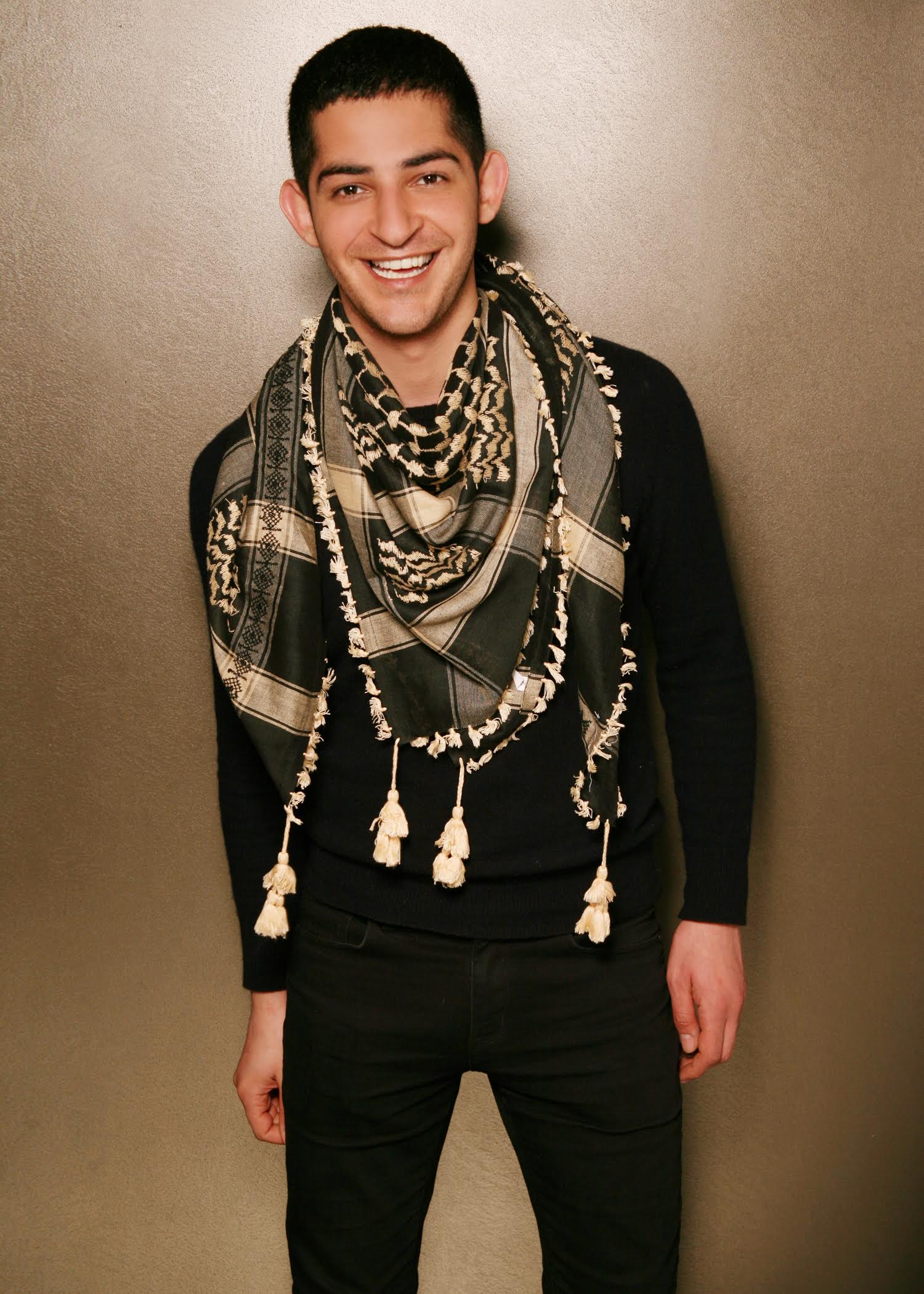
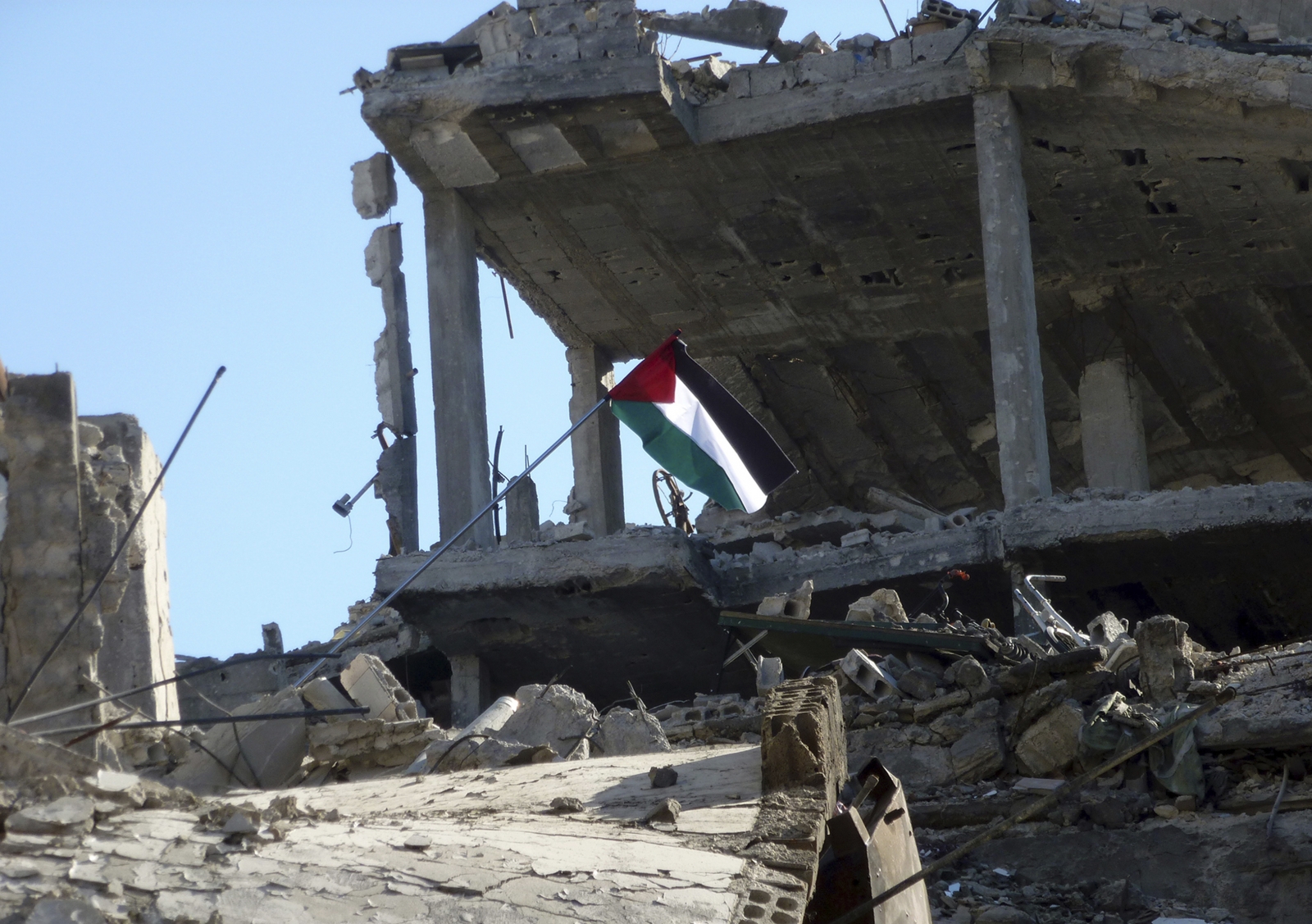


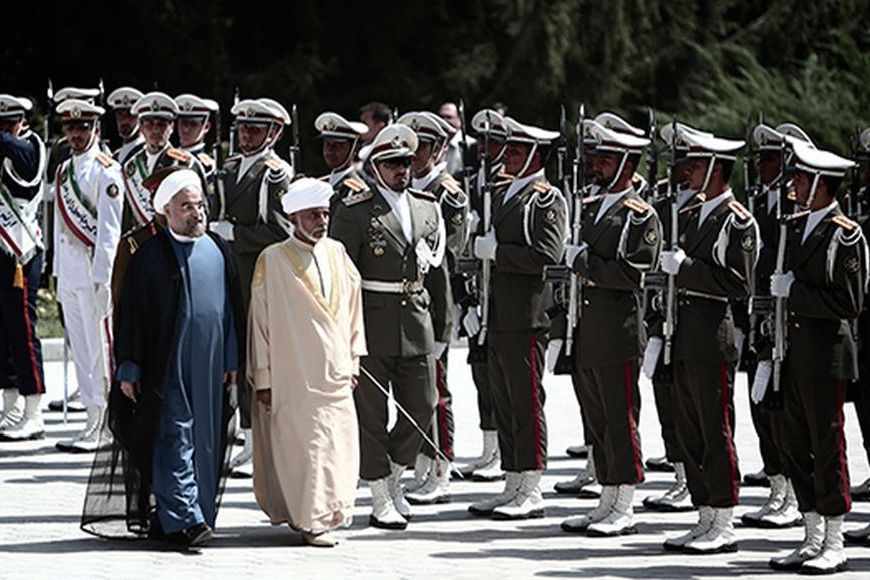
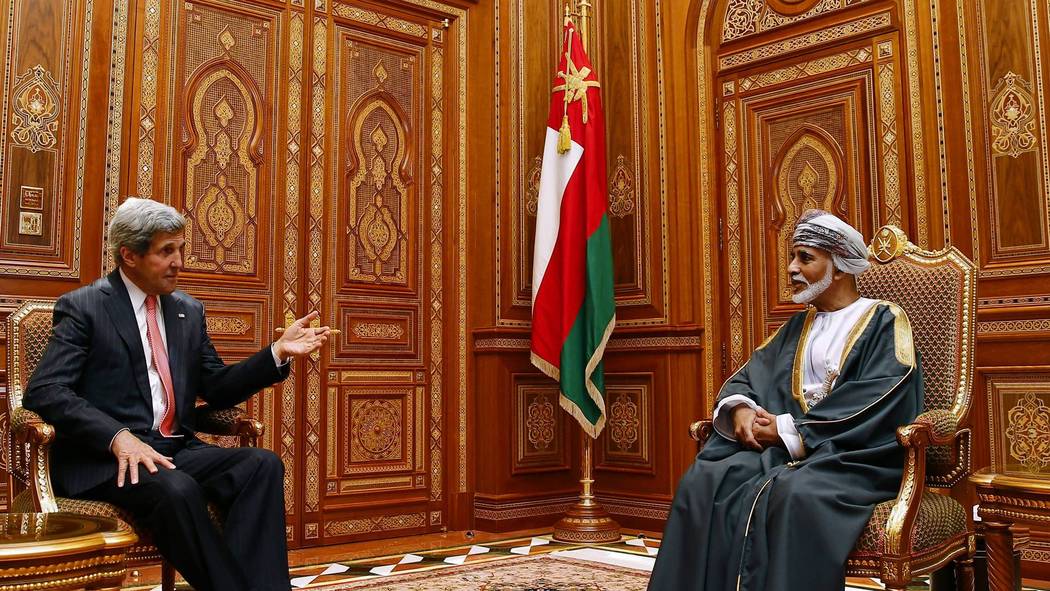
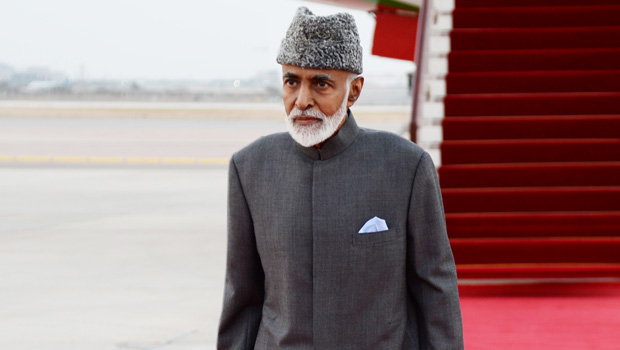
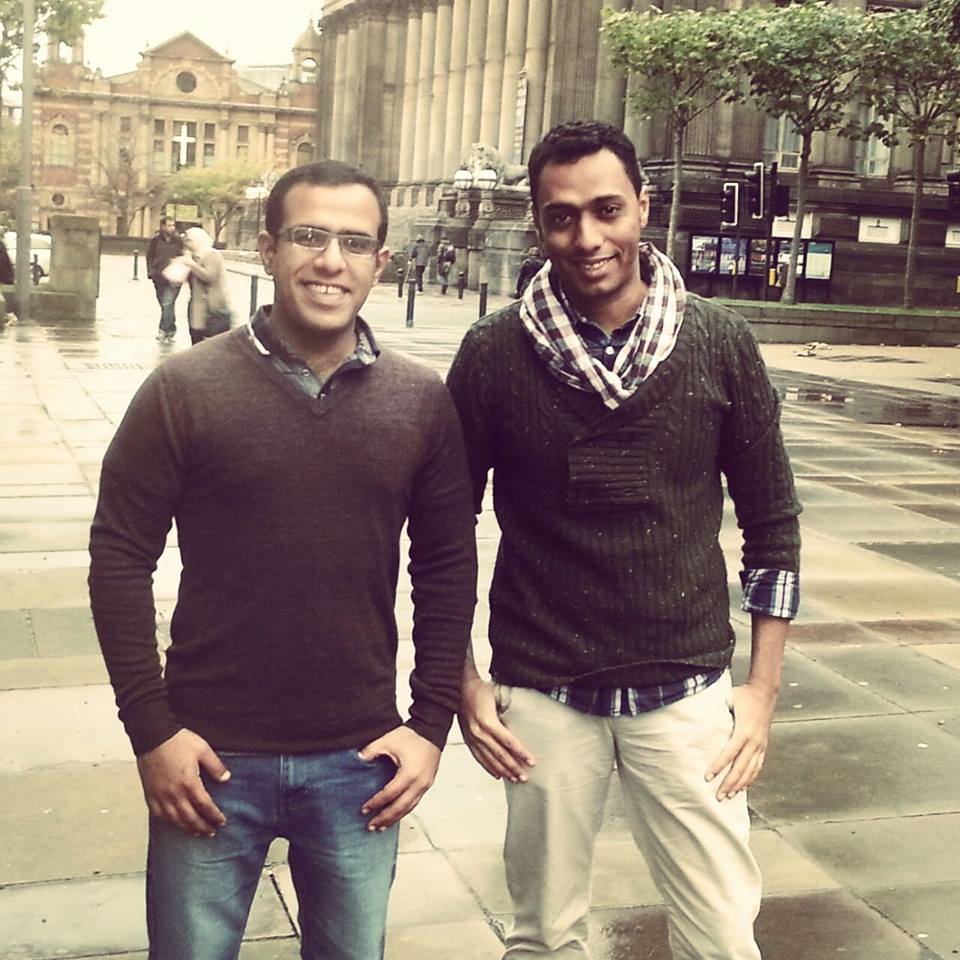
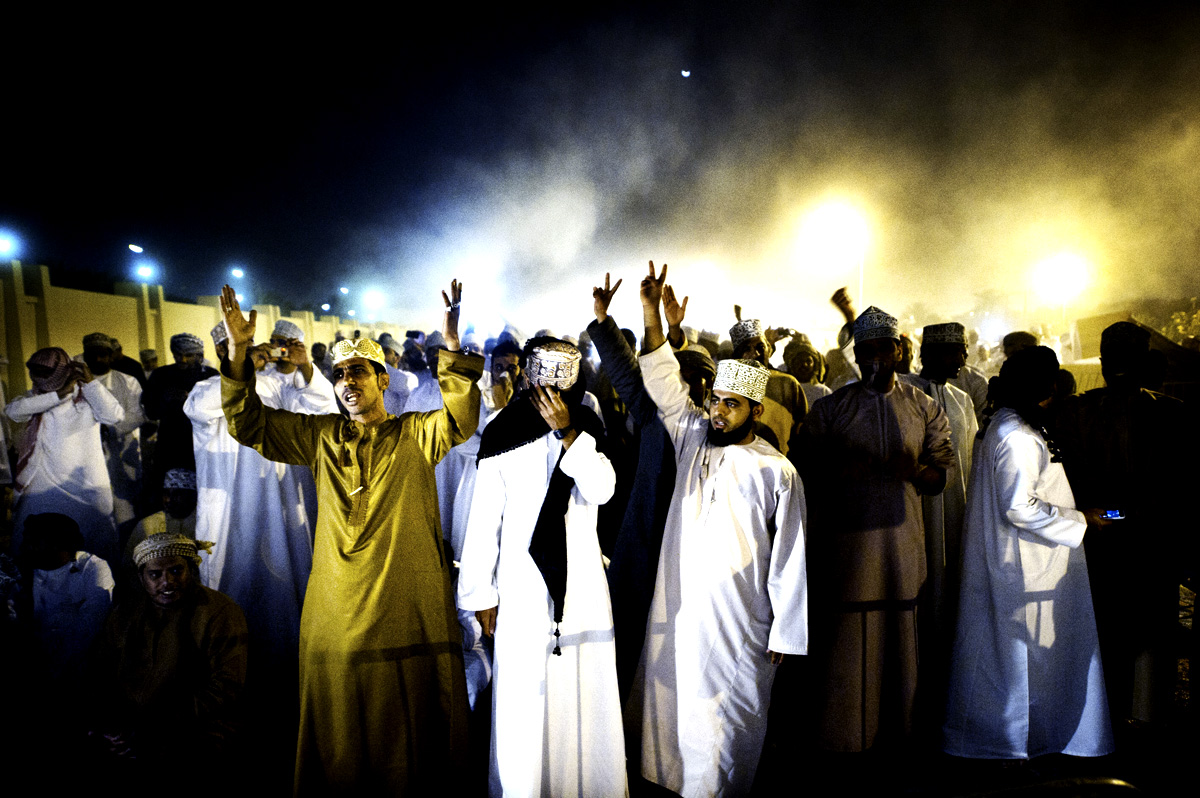
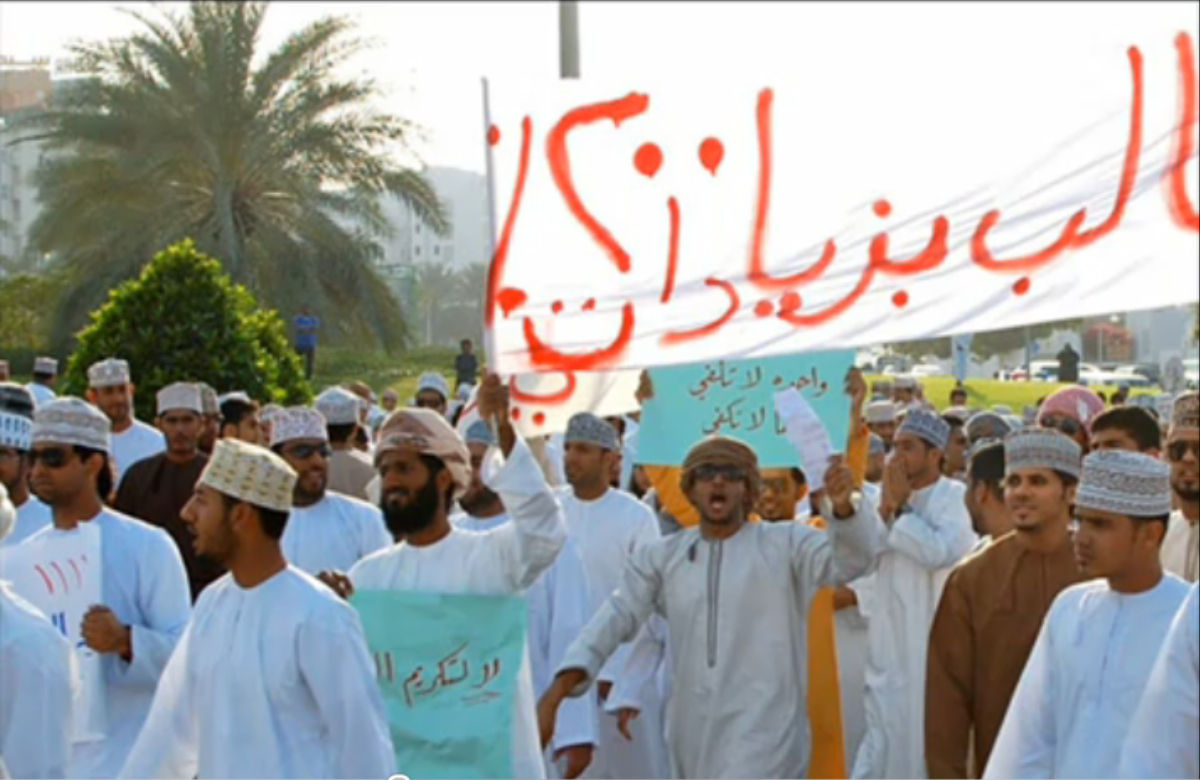
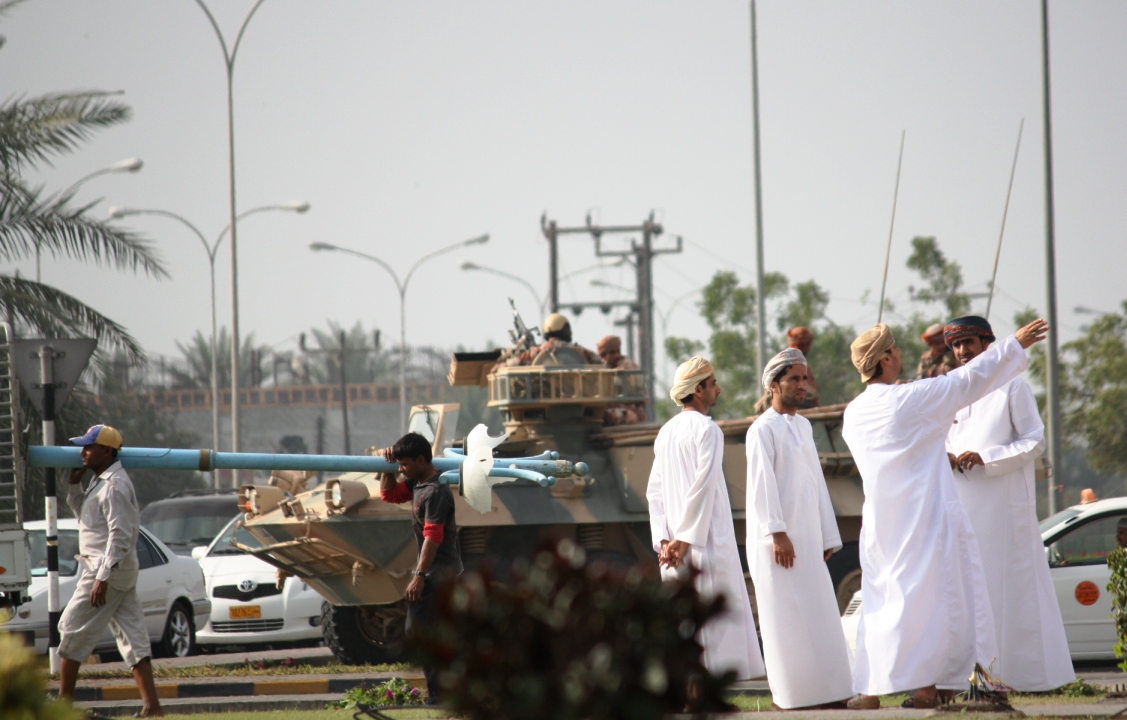

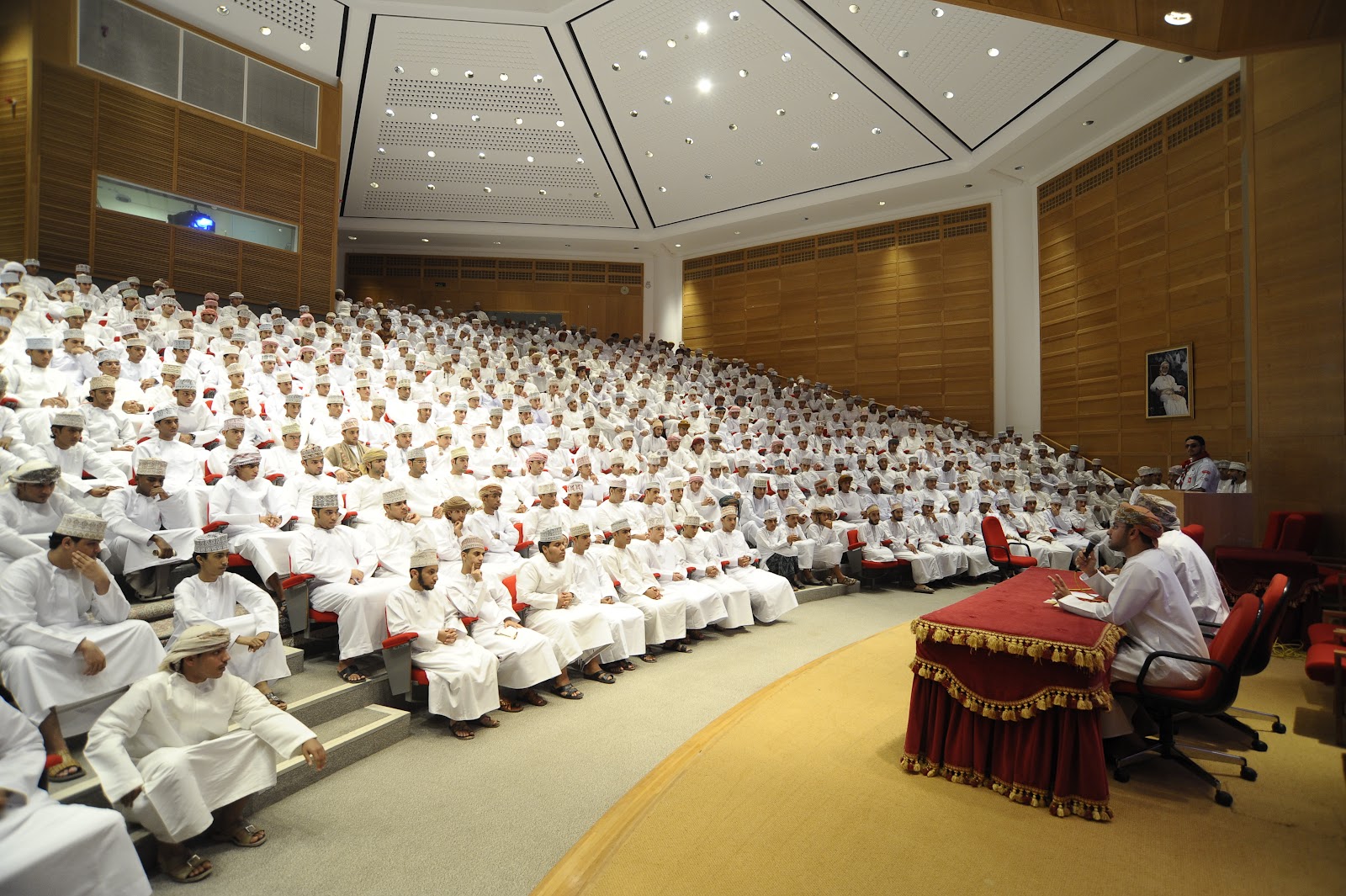


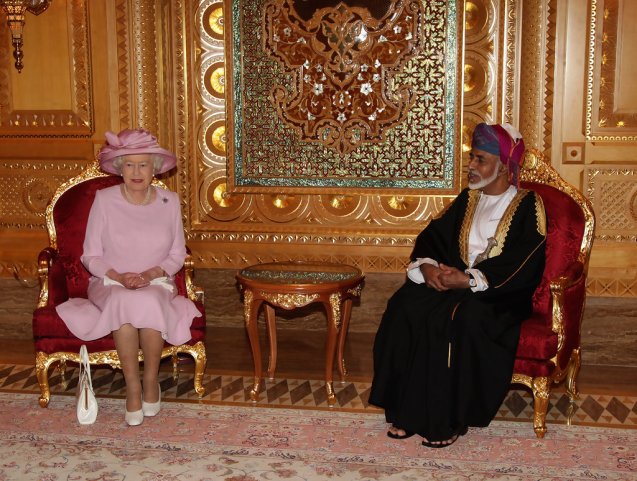
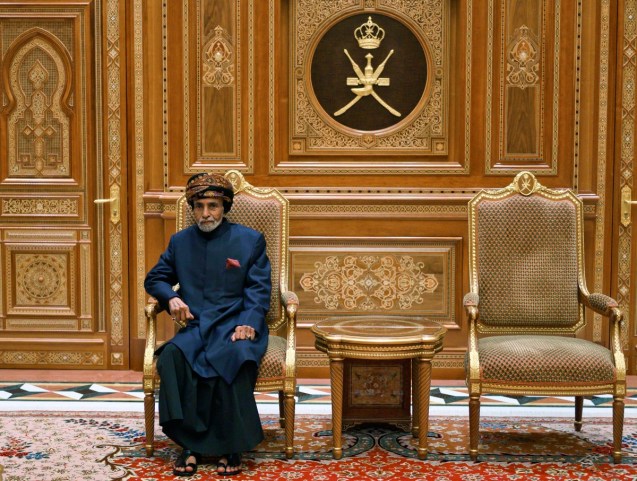

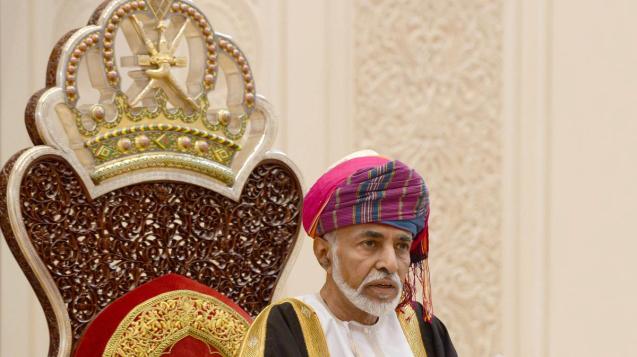
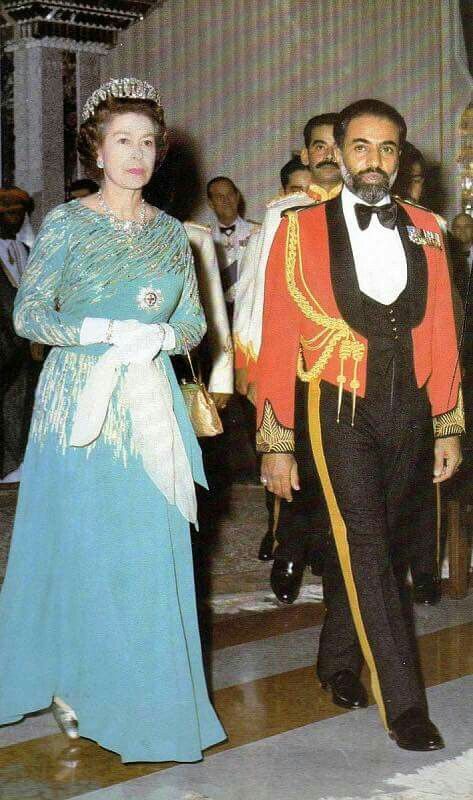
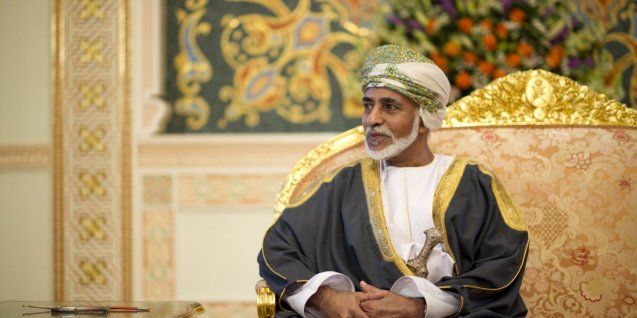
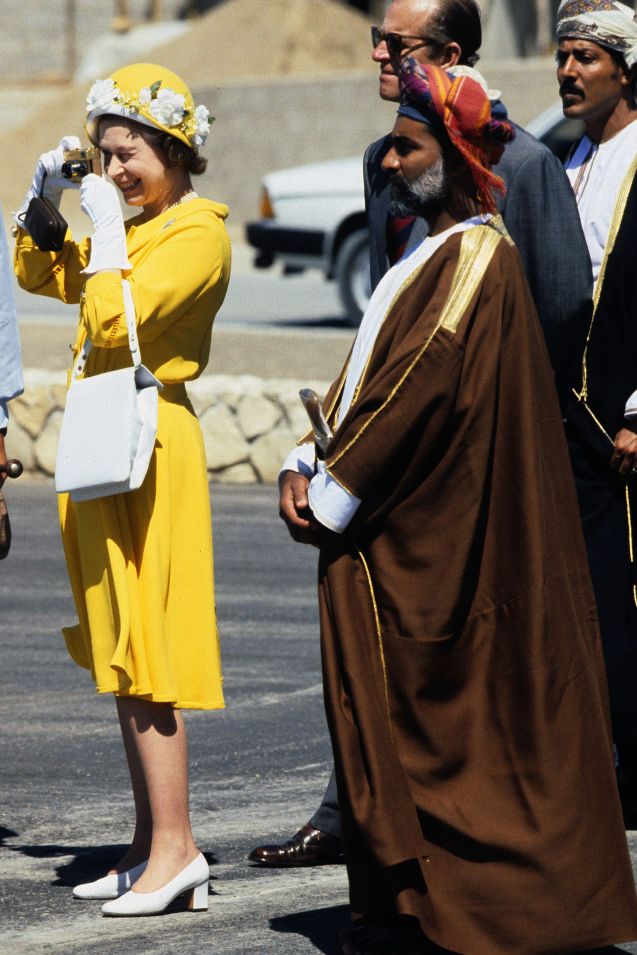
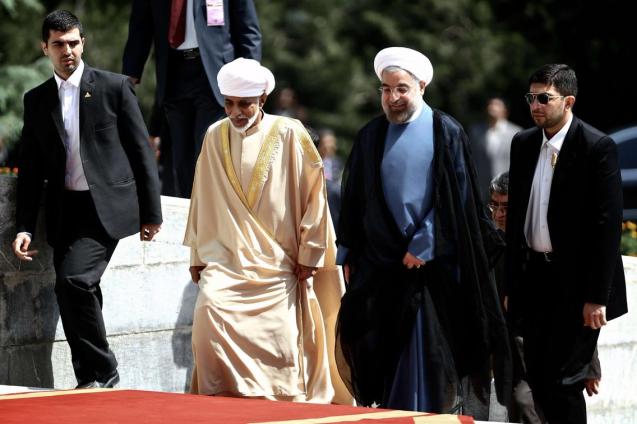


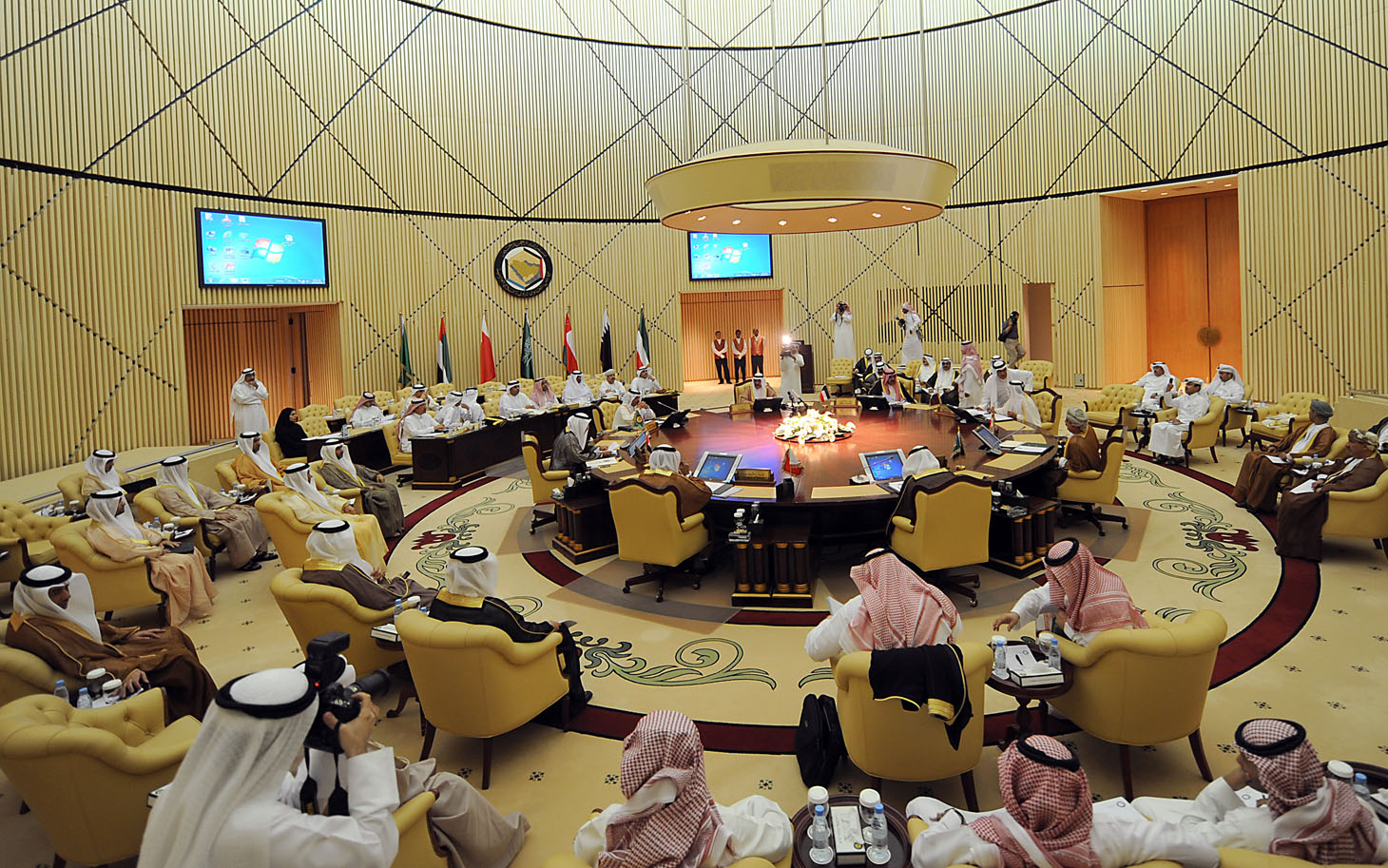
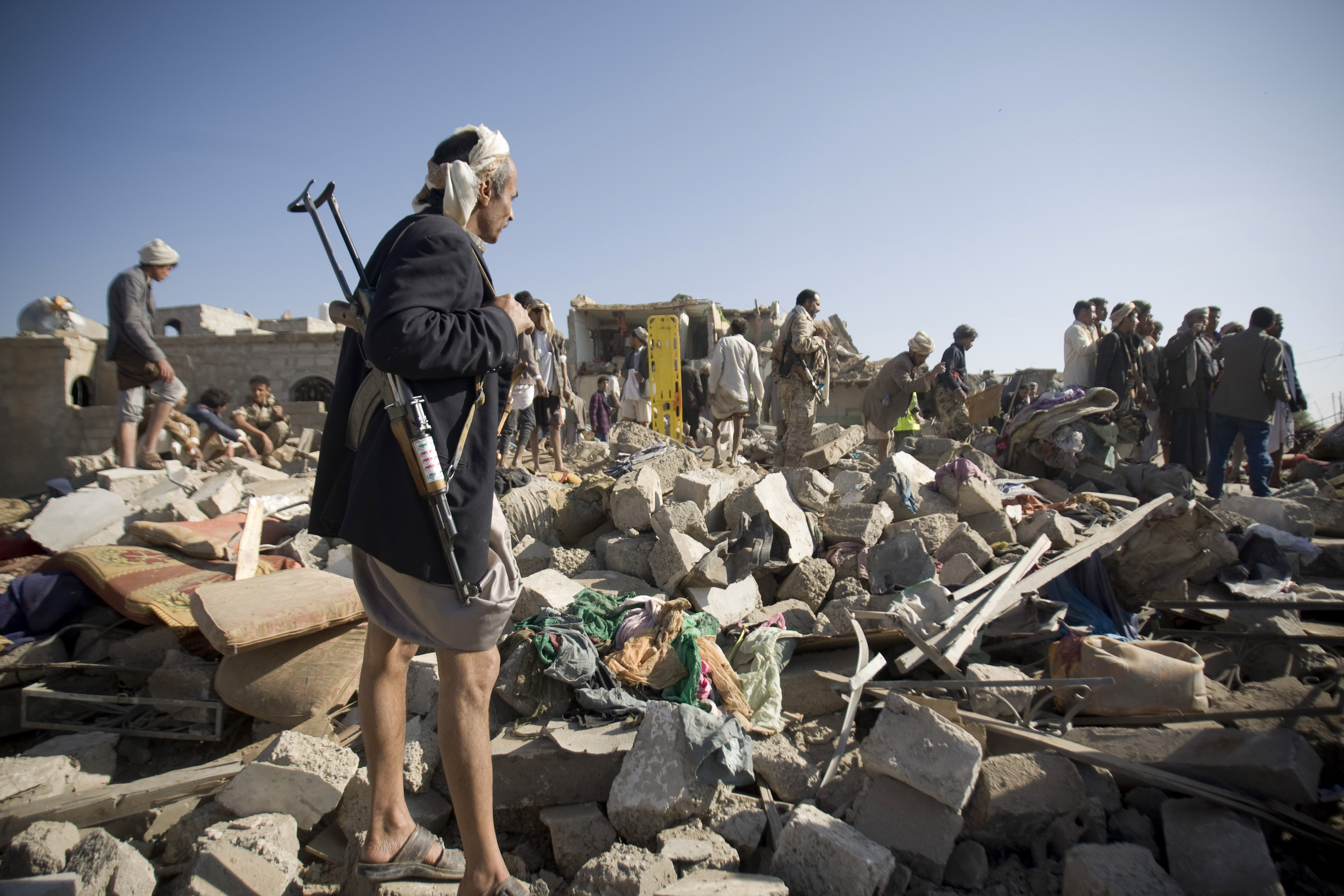
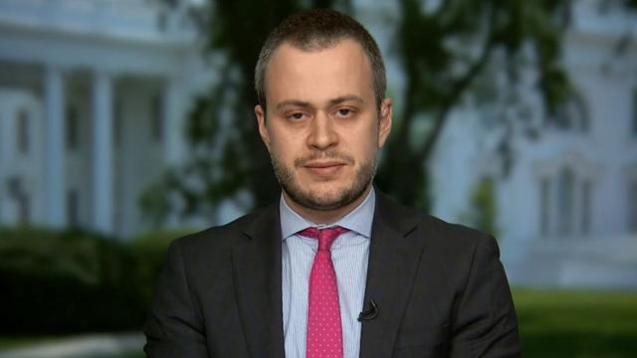
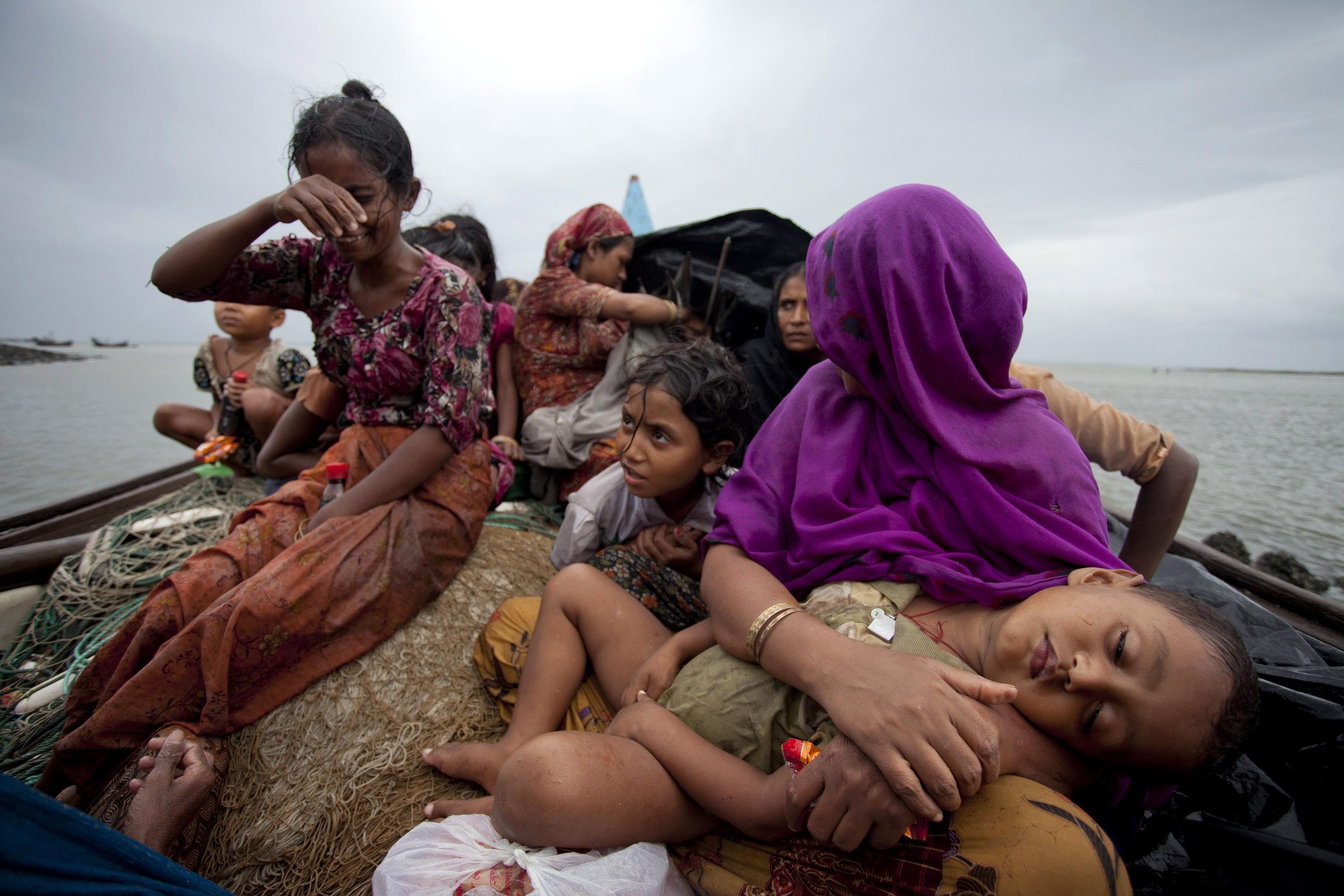
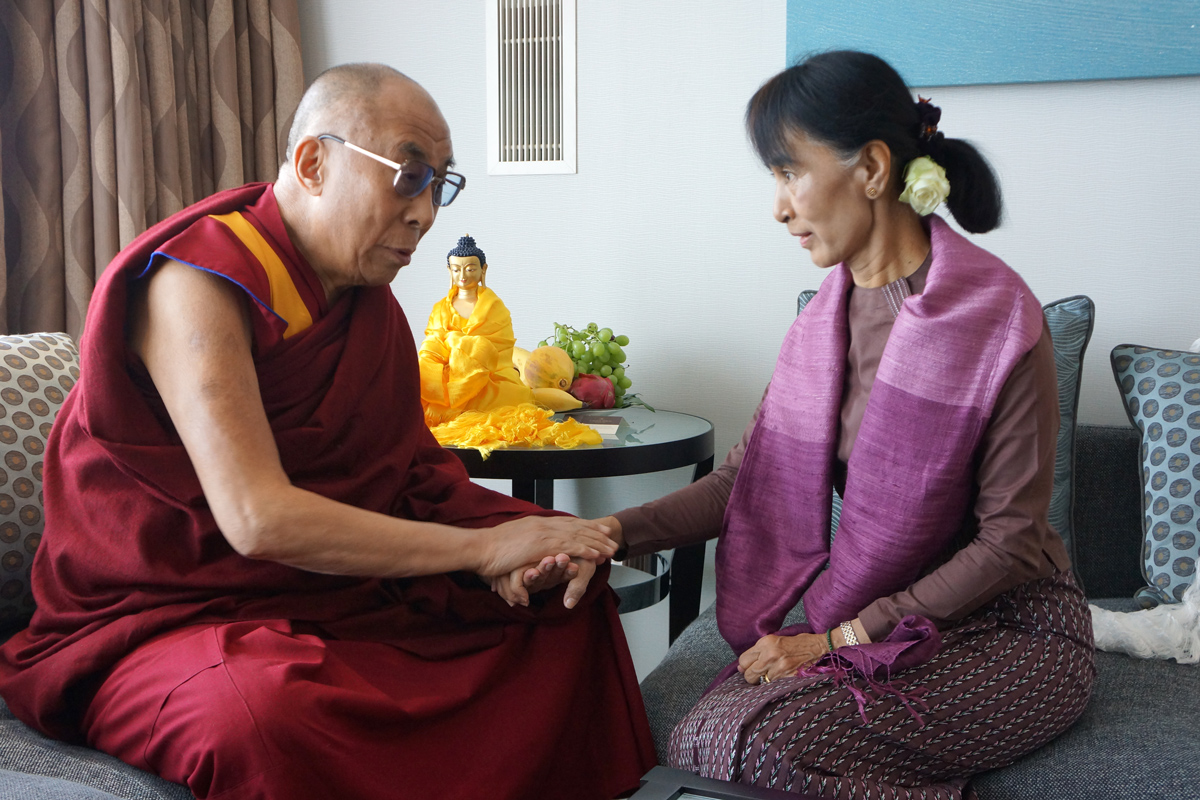
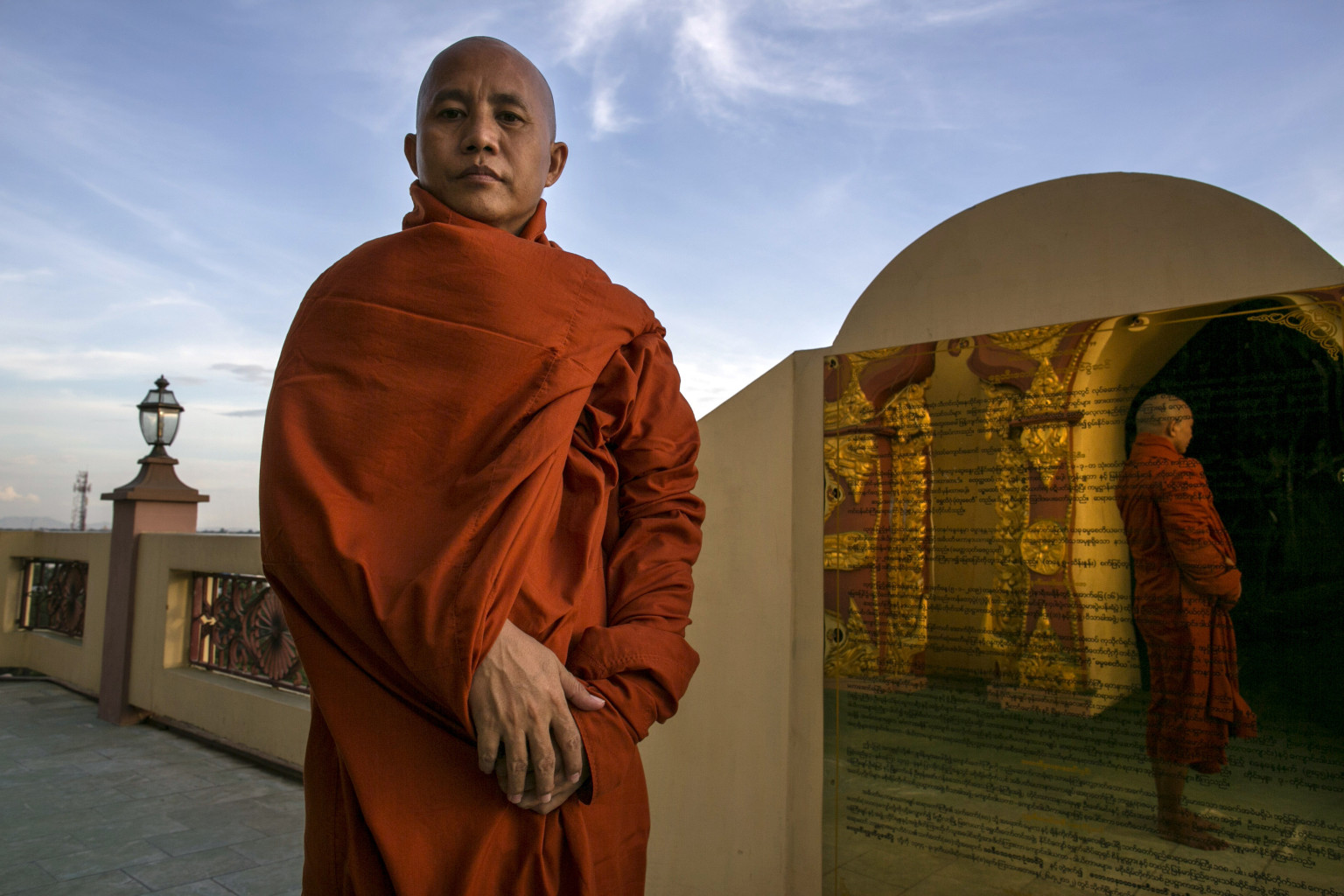

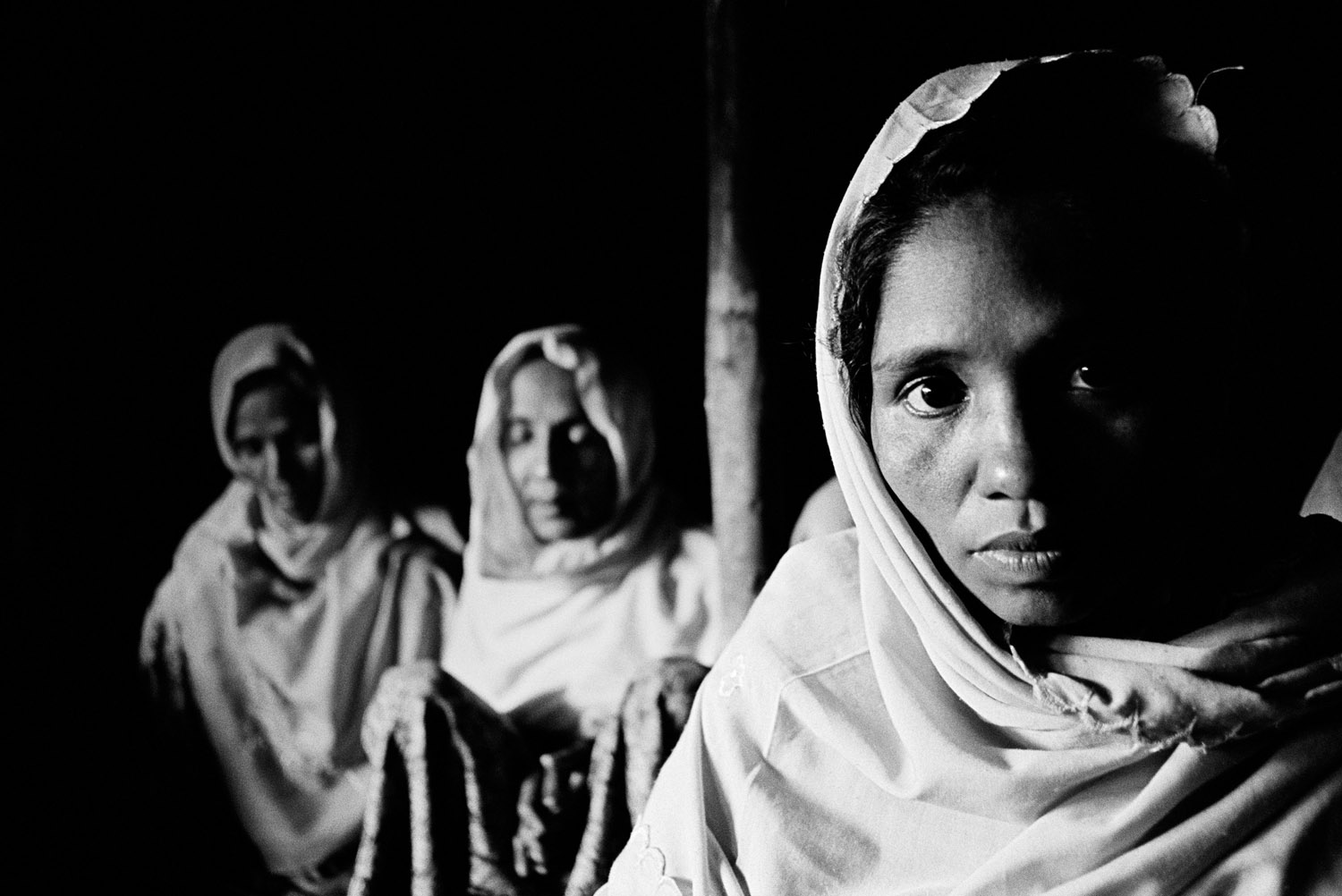

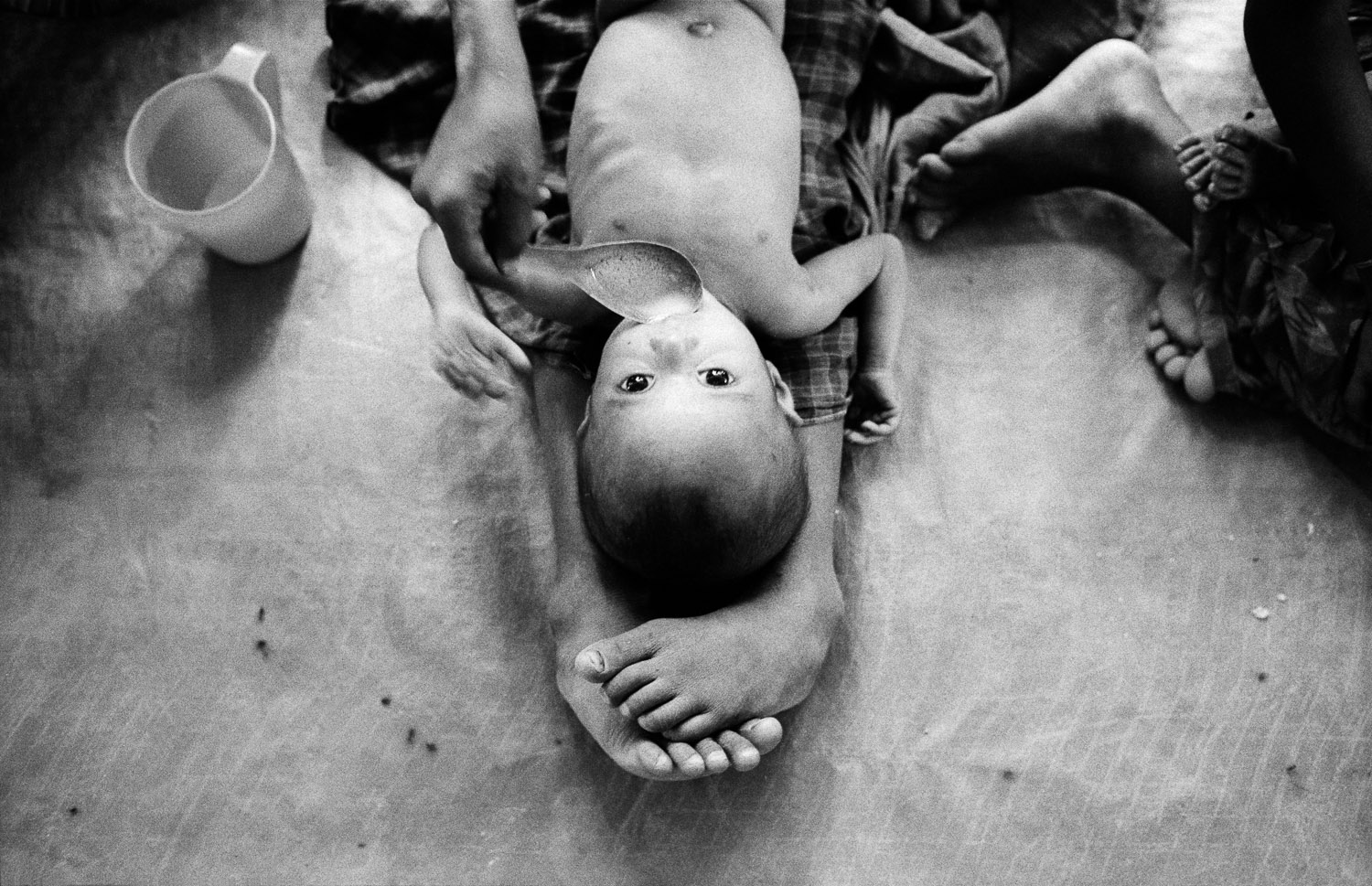




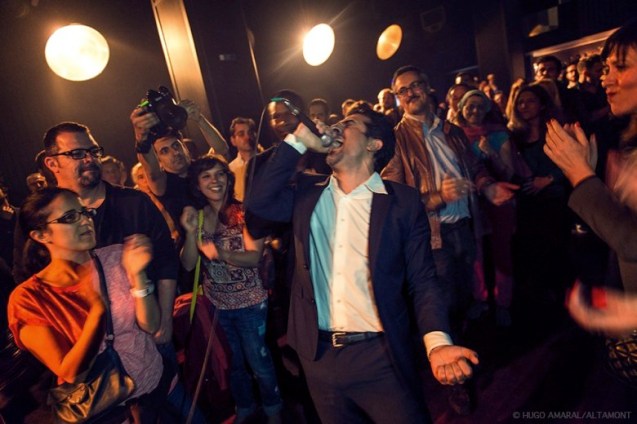

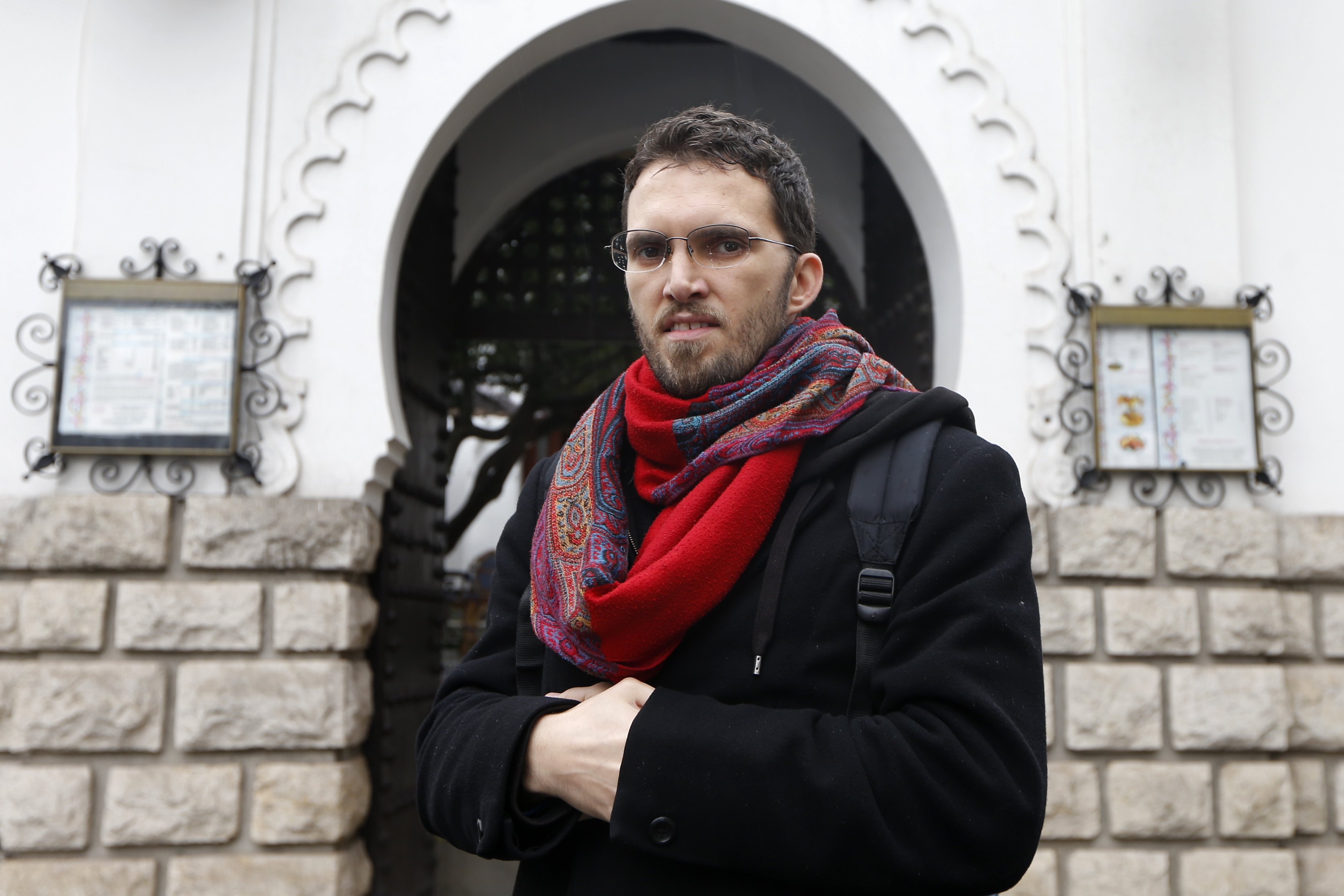
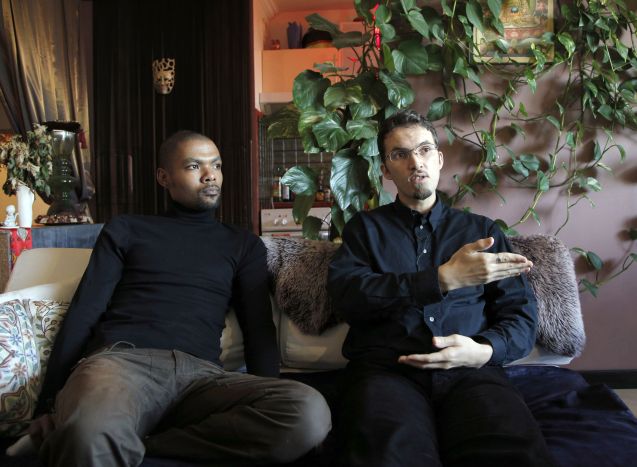
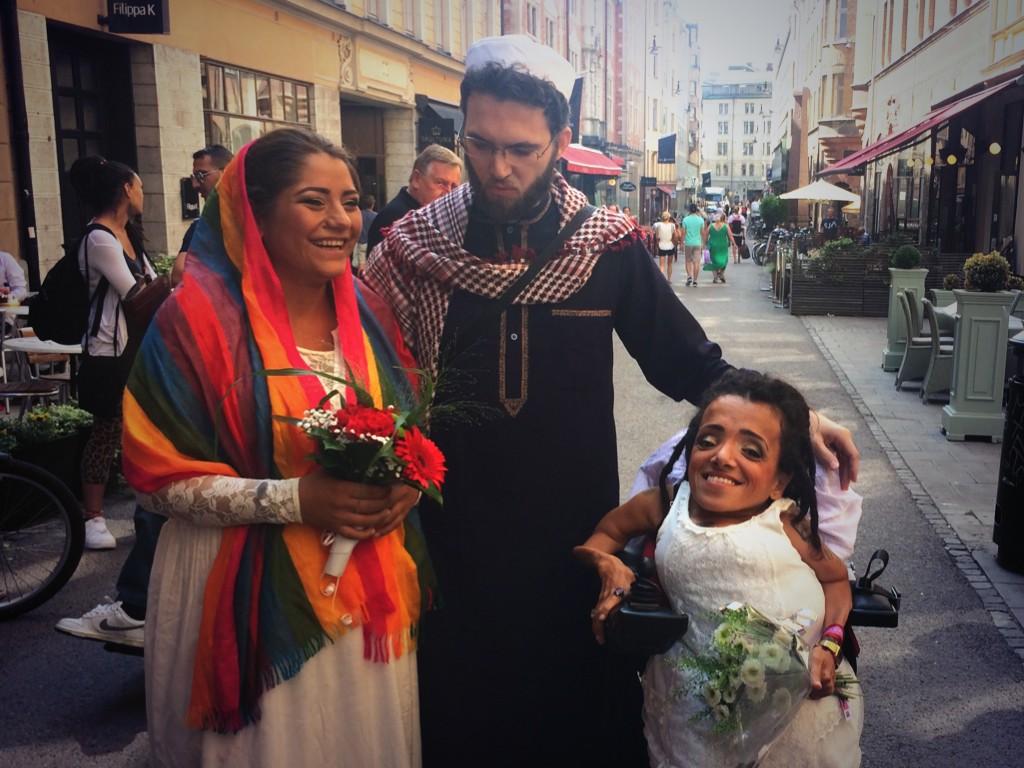
 My East-West